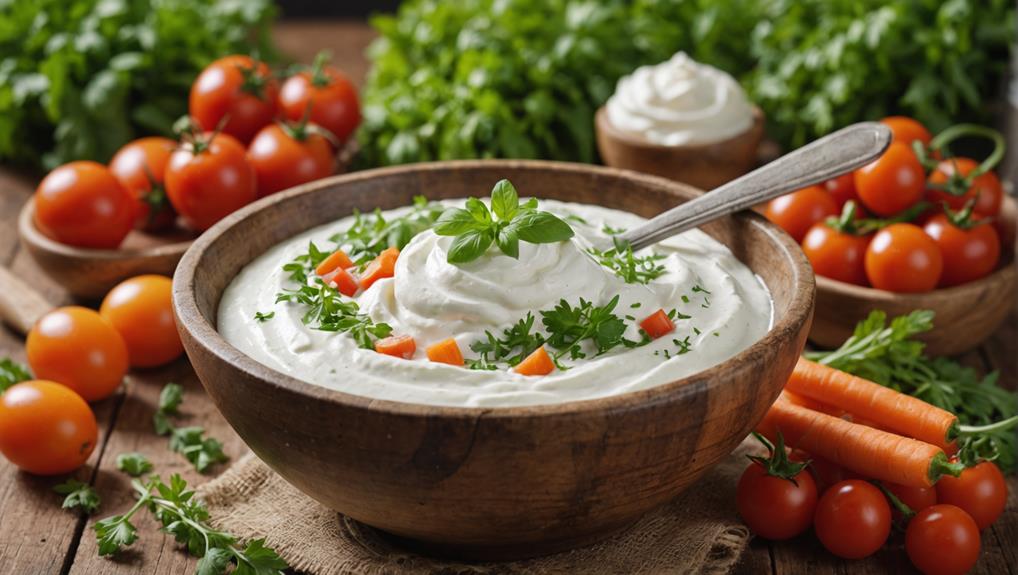
You might think of sour cream as just a simple topping for your baked potato, but there’s much more to this tangy dairy product than meets the eye. Created by fermenting regular cream with lactic acid bacteria, it is a versatile ingredient in your kitchen and brings many nutritional benefits, like probiotics and vitamin A. It’s suitable for diverse diets due to its low sugar content and moderate calorie count. Are you curious how to make your own or use it in unique recipes? Let’s explore the surprising versatility and benefits.

Table of Contents
What Is Sour Cream?

It is a dairy product that ferments regular cream with lactic acid bacteria. This fermentation process sours and thickens the cream, resulting in that familiar tangy and creamy texture you love. The lactic acid bacteria work their magic, transforming plain cream into the rich, versatile ingredient known as sour cream.
You mightn’t realize it, but making homemade sour cream is simpler than you think. By mixing regular cream with an acid like lemon juice or vinegar, you can set the stage for fermentation. After allowing it to sit and develop, you’ll have a fresh batch of creamy, tangy sour cream in your kitchen.
Sour cream is widely used in cooking and baking, adding a delightful richness and slight tang to various dishes. Whether you’re whipping up dips, dressings, sauces, or even desserts, sour cream’s versatility shines through. Its creamy texture enhances everything from savory to sweet, making it a staple in many recipes.
Next time you need an ingredient to add depth and creaminess, reach for sour cream—or try making your own homemade sour cream for that extra touch of freshness.
Nutritional Benefits
You’ll find that it offers a range of nutritional benefits that can support your overall health. This dairy delight is not just a tasty addition to your meals; it’s also packed with nutrients. Sour cream is rich in probiotics, which are beneficial for gut health and can help improve digestion. Additionally, it’s high in vitamin A, an essential nutrient for maintaining healthy skin and vision.

One of the best parts? It is low in sugar, making it a suitable option if you watch your sugar intake. Despite its creamy texture, it contains healthy fats, which are important for overall health and well-being. With moderate calories, it can be enjoyed in moderation as part of a balanced diet.
Here’s a quick breakdown of its nutritional benefits:
Incorporating sour cream into your meals can be a delicious way to boost your nutrient intake.
Homemade Sour Cream Recipe

Making your sour cream at home is simple and rewarding.
You’ll need just a few ingredients and basic kitchen equipment.
Follow these step-by-step instructions to create a rich, tangy sour cream free of artificial additives.
Step-by-Step Instructions
Begin by pouring one cup of high-fat heavy cream into a non-reactive glass jar. Add one tablespoon of either lemon juice or white vinegar to the cream. This acid will ferment regular cream, turning it into a creamy, tangy sour cream. Stir the mixture thoroughly to ensure the acid is evenly distributed.
Next, cover the jar loosely with a lid or a clean cloth to allow air circulation. Leave the jar at room temperature, ideally between 70-75°F, for 24 hours. During this time, the bacterial culture will convert the sugars in the cream into lactic acid, giving your sour cream its characteristic tangy flavor.
Once the mixture has thickened and developed a tangy taste, stir it again to ensure uniformity. Transfer the homemade sour cream to an airtight container and store it in the refrigerator for up to two weeks. It’s ready for your favorite recipes, from dips and dressings to sauces and baked goods.
| Step | Description |
|---|---|
| 1 | Pour heavy whipping cream into a jar. |
| 2 | Add acid (lemon juice or vinegar). |
| 3 | Let sit at room temperature for 24 hours. |
Enjoy your rich, homemade sour cream!
Common Uses in Cooking
Sour cream is incredibly versatile in cooking. It can be used as a topping for dishes like baked potatoes and tacos, mixed into your favorite salad dressings, or added to baked goods for extra moisture and richness.
Whether whipping a creamy dip or enhancing a cake, sour cream is a go-to ingredient.
Topping for Dishes
Its creamy and tangy flavor makes it a popular topping for baked potatoes, tacos, chili, and various Tex-Mex dishes. Numerous dishes benefit from a dollop of this delicious dairy product.
Here are three common uses:
- Baked Potatoes: A generous spoonful of sour cream transforms a simple baked potato into a rich, satisfying side dish. The high-fat content adds a luxurious mouthfeel that’s hard to resist.
- Tacos and Tex-Mex: Whether you’re enjoying tacos, enchiladas, or nachos, sour cream adds a cooling contrast to spicy flavors. It’s a staple in sour cream containers in any Tex-Mex enthusiast’s fridge.
- Chili: A swirl of sour cream on top of a bowl of chili looks appealing and balances the heat with its tangy, creamy texture.
For those lactose intolerant or looking for a substitute, options like yogurt or lactose-free sour cream still deliver that tangy flavor. The lactic acid in sour cream gives it its distinct taste, making it a versatile addition to your culinary arsenal.
Salad Dressings
Incorporating salad dressings brings a delightful creaminess and tang that can elevate any dish. This dairy product, obtained through the production of lactic acid, sours, and thickens, makes it an ideal base for various dressings.
Here’s how to use it with certain dressings to enhance your salads.
- Ranch Dressing: One of my favorite ways to use sour cream is in ranch dressing. Combine it with herbs, spices, and some lemon juice. The cream and lemon juice balance perfectly, creating a tangy, creamy dressing.
- Blue Cheese Dressing: Sour cream pairs wonderfully with blue cheese. The dairy product’s tang complements the cheese’s robust flavor, and you can thin it out with a little vinegar for the perfect consistency.
- Caesar Dressing: For a lighter Caesar dressing, mix sour cream with anchovy paste, garlic, and Parmesan. The sour cream’s creaminess makes the dressing rich without being overly heavy.
Adding sour cream to your dressings balances the acidity and provides a customizable base for flavor profiles. Experiment with herbs and spices to find your perfect mix!
Storage Tips
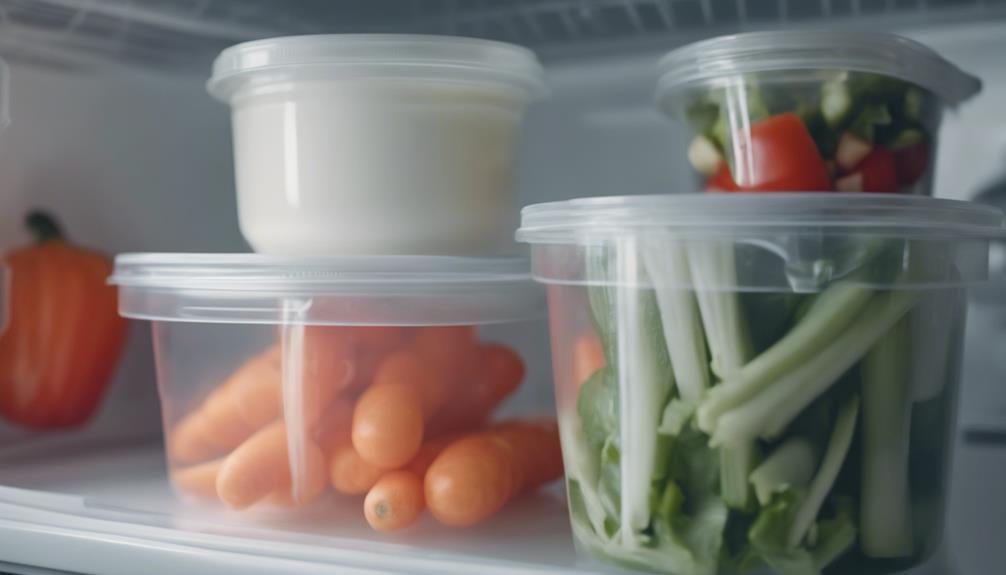
Always store your homemade sour cream in an airtight container in the fridge to keep it fresh. This helps maintain its freshness and prevents spoilage. An airtight container is essential because it limits air exposure, which can degrade the quality of the sour cream. Seal the container tightly after each use to keep the texture and taste intact.
When storing fresh sour cream, avoid exposing it to heat or direct sunlight. Both can cause it to spoil more quickly. Always check the expiration date on the container to ensure it’s safe to consume. If you’re uncertain about the date, a quick sniff test can help; if it smells off, it’s better to discard it.
One important tip: don’t freeze sour cream. Freezing can alter its texture and consistency, making it less appealing when thawed. Instead, use it within two weeks of preparation to enjoy its best quality.
Commercial Varieties
After mastering the storage of homemade, let’s explore the various commercial varieties available on the market. In the United States, commercial varieties of sour cream must contain at least 18% milkfat and meet specific acidity levels to achieve that tangy flavor you love. These regulations guarantee a consistent product, but many differences exist among brands.
Here’s what you need to know about the commercial:
- Ingredients: Look for milk and whey solids, buttermilk, and often salt and rennet. Some varieties also include starch to achieve a thicker our creamtexture.
- Additives: Commercial sour cream may contain emulsifiers, stabilizers, and thickening agents like sodium phosphate, citrate, guar gum, carrageenan, locust bean gum, and potassium sorbate to ensure stability and texture.
- Shelf Life: Commercial sour cream typically has a shelf life of 1-2 weeks unopened and 7-10 days after opening, so plan your purchases accordingly.
Canadian regulations are slightly different, allowing for a wider range of emulsifiers, stabilizers, and thickening agents. This can impact the texture and taste, giving you various options to suit your preferences.
Troubleshooting Sour Cream

Why does it sometimes turn out watery or curdled?
The consistency can be tricky. If it’s too watery, you might have overmixed it or exposed it to high temperatures. Overmixing breaks down the structure, releasing excess moisture. Similarly, high temperatures can cause separation, leading to a watery texture.
Mold on it is a clear sign of spoilage. Any visible mold means you should throw the entire container away immediately. Additionally, if it has an off smell or taste, it’s likely spoiled and shouldn’t be consumed.
To minimize these troubleshooting issues, store it properly in the refrigerator and use it before its expiration date. Keeping it consistently cold and handling it gently will help maintain its intended creamy texture.
Conclusion
You’ve now understood sour cream’s benefits, uses, and even how to make it at home. Packed with probiotics and vitamin A, it’s nutritious and enhances countless dishes.
It adds a delightful tang and richness to your favorite foods, whether topping them or incorporating them into recipes. Remember to store it properly, and don’t hesitate to experiment with commercial varieties.
Enjoy making the most of this versatile ingredient in your kitchen!