

There is a moment in any serious baker’s life when the recipe stops being sacred. Maybe it’s when you realize that the sour cream in your grandmother’s coffee cake wasn’t tradition; it was chemistry. The fat and acid did something to the crumb that no one in 1962 had a name for. They just knew it worked.
Something like that is happening right now in the American home kitchen, and the numbers behind it are hard to ignore.
According to Puratos’ Taste Tomorrow report,t which surveyed tens of thousands of consumers across dozens of countries, online searches for “high protein dessert, low carb” grew dramatically, by thousands of percent, according to the report, rt over the past year. NJ Biz covered the findings in early 2026. That is not a typo. Seven thousand eight hundred percent. The kind of number that tells you something has already shifted, and the trend reports are just catching up.
Protein ranks among the most searched nutritional attributes on food packaging, according to the Puratos Taste Tomorrow report, sitting just behind sugar, calories, and fat. A significant share of global shoppers, roughly three in ten, according to the report, check packaging for protein content, and that figure is higher in North America and even higher in the Asia-Pacific region. The rise of GLP-1 medications like Ozempic has pushed this further still, as people using them look to protect muscle mass through dietary protein. Baking, of all things, has become part of that conversation.
And here’s the thing most food writers are missing: this isn’t about replacing recipes with protein powder and disappointment. The bakers actually making it work are approaching it as a technique problem. Which ingredient is carrying the moisture? Which one is building structure? Which one can I swap without losing the thing that made the original worth baking in the first place?
Those are craft questions. Not diet questions.

Table of Contents
The Swaps That Hold Up in a Real Kitchen
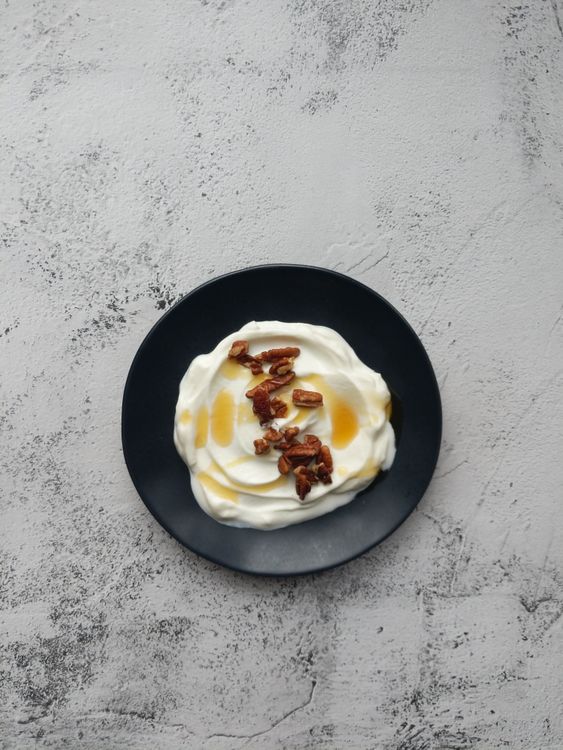
Greek yogurt is probably the most forgiving place to start. Full-fat Greek yogurt has roughly-17, 20 grams of protein per cup, and it behaves in baked goods almost exactly the way sour cream does: it adds tang, it tenderizes the crumb, and it carries enough fat to keep things from going dry and dense. In a classic pound cake or a quick bread, a straight one-for-one swap works well. The texture stays close. The flavor brightens slightly, which most people find they prefer.
Cottage cheese is the one that surprises people. Blended smooth, it disappears into batters, no curds, no visible trace of it. What it leaves behind is moisture and protein without the extra fat load of cream cheese. It works particularly well in cheesecake-style desserts and in pancake batters, where the added protein tightens the structure just enough to hold the edges without making the center rubbery.
The trick is the blending. Cottage cheese straight from the container into a batter gives you lumps and uneven distribution. Thirty seconds in a blender, and it becomes something else entirely.
Hemp hearts, the shelled seeds of the hemp plant, are quieter about what they do. They don’t change flavor noticeably. They don’t alter texture in any dramatic way. What they add is about 9 to 10 grams of protein per three tablespoons, along with a mild nuttiness that tends to get lost in spiced batters. Stir them into a banana bread or a bran muffin and most people won’t identify them. They’ll just notice the muffin feels more substantial. That’s the hemp hearts doing their work without asking for credit.
Why the Chemistry Actually Cooperates
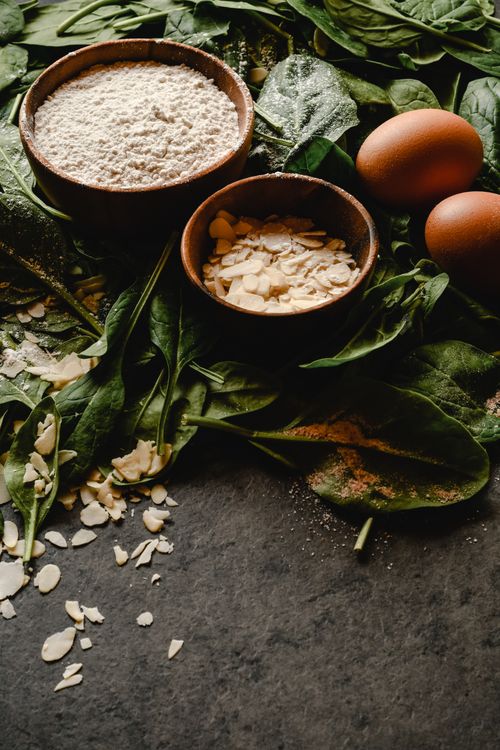
The reason these swaps hold up, and the reason protein powder often doesn’t, comes down to water activity and gluten formation. Protein powder, especially whey, absorbs moisture aggressively. Add too much, and you get a crumb that bakes up dry and dense, as if someone forgot an egg. Whole-food protein sources like yogurt, cottage cheese, and legume-based flours carry their own moisture. They participate in the batter’s chemistry rather than competing with it.
Almond flour is worth understanding on its own terms here. It is not a direct flour substitute. It has no gluten, which means it cannot build the network that holds a layer cake together or gives bread its chew. What it can do is anchor a cookie or a tart crust beautifully, contributing protein and fat in a ratio that creates a tender, slightly dense crumb that works precisely because it isn’t trying to be all-purpose flour. The mistake is treating it as a one-for-one swap. The success comes from building a recipe around what almond flour actually does.
Legume-based flours, chickpea flour in particular, have a stronger flavor than most people expect the first time. Chickpea flour smells a bit green and earthy straight from the bag. Baked, especially with warm spices or chocolate, that edge softens considerably. It is worth knowing, because a lot of people try it once in something delicate and give up. Use it in a spiced cake, a brownie, or a savory quick bread, and the flavor becomes an asset rather than a problem.
What’s Actually Changing in How We Bake
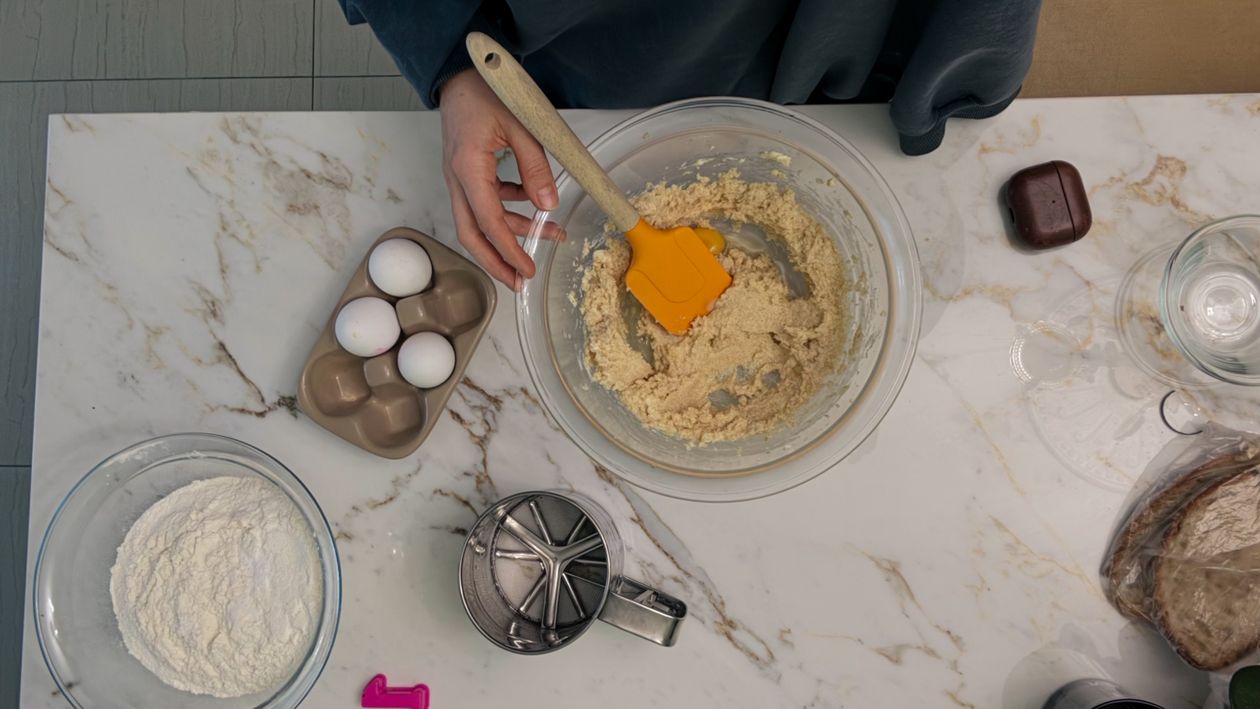
The Puratos forecast projects continued growth in online conversations about protein-enriched baked goods through 2026. That is a slower, steadier number than the search explosion, and probably more useful. It suggests this isn’t a spike that will burn out by summer. It’s a sustained shift in how a lot of home bakers are thinking about what they make.
How strange it is to remember now that for most of the twentieth century, the goal in American home baking was lightness. Tenderness. The least possible density. A cake that was barely there. The vocabulary of baking, the recipes in the Betty Crocker cookbooks, the Pyrex casseroles coming out of church potlucks, the soft white dinner rolls that pulled apart without resistance, was built around flour and fat and air.
The technique shift happening now doesn’t discard that tradition. It asks a different question of it. Not: how do I make this lighter? But: what is actually holding this together, and can I make that part work harder?
That’s a baker’s question. It always has been.
Sources
This article was created with AI assistance and reviewed for clarity and accuracy.