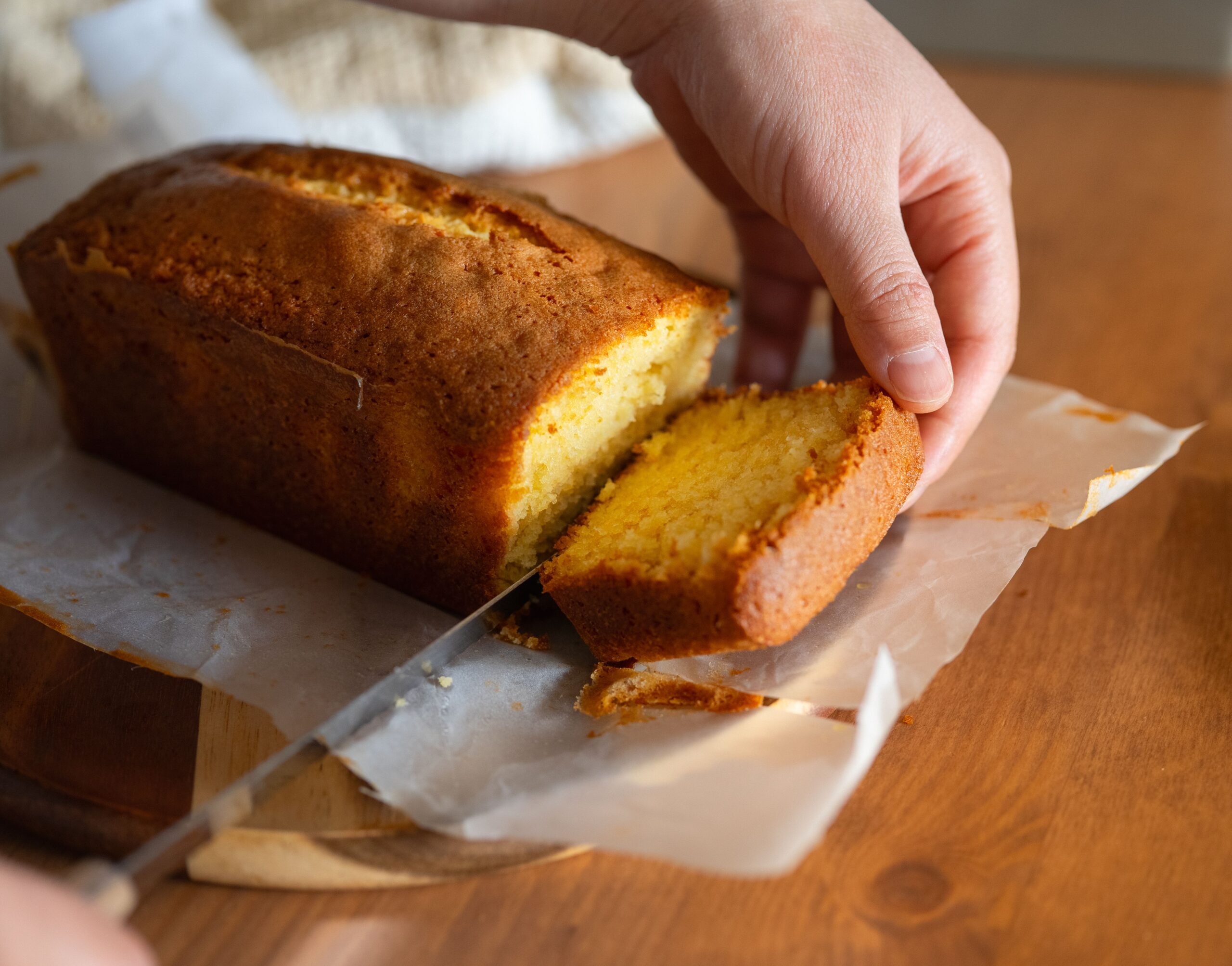

There is a recipe card tucked into more than one American kitchen drawer that reads like a riddle: a pound of butter, a pound of sugar, a pound of flour, a pound of eggs. No baking powder. No vanilla. No fuss. That’s the original pound cake, and generations of home bakers made it from memory, never measuring twice, getting it right almost every time.
Then somewhere along the way, we started second-guessing it.
We added extra leavening. We substituted lower-fat butter. We opened the oven door too early to check. And suddenly the simplest cake in the American baking tradition became the one people were most afraid to make. Which is a shame because pound cake, done well, is one of the most forgiving and satisfying bakes in a home cook’s repertoire. You just have to know where the real pitfalls are.
Table of Contents
Start With What “Foolproof” Actually Means

Foolproof doesn’t mean you can’t make mistakes. It means the recipe is designed to absorb them. A good c formula gives you margin the kind of cake where a slightly longer bake time or an extra tablespoon of flour won’t ruin everything. But it only works if you start with the right foundation.
The classic ratio holds up: equal weights of butter, sugar, eggs, and flour. For a standard loaf-pan pound cake, that typically works out to two sticks of butter, one cup of sugar, four large eggs, and two cups of all-purpose flour, with just enough vanilla extract to round the flavor. Some bakers add a quarter teaspoon of salt and a half teaspoon of baking powder. Both help. Neither is strictly required.
What is required, and this is the part that matters more than the recipe itself, is room-temperature butter.
Cold butter won’t cream properly. Melted butter behaves differently than creamed butter. The whole architecture of a pound cake depends on tiny air pockets created when butter and sugar are beaten together, and those pockets only form when the butter is soft enough to hold them. Set your butter out at least an hour before you begin. Two hours is better. On a cool kitchen day, three hours isn’t unreasonable.
The Creaming Step Is Where Pound Cake Is Made or Lost
Most baking guides tell you to cream butter and sugar “until light and fluffy.” That phrase has sent more pound cakes to ruin than any other instruction in the cookbook, because it suggests the process is quick. It isn’t.
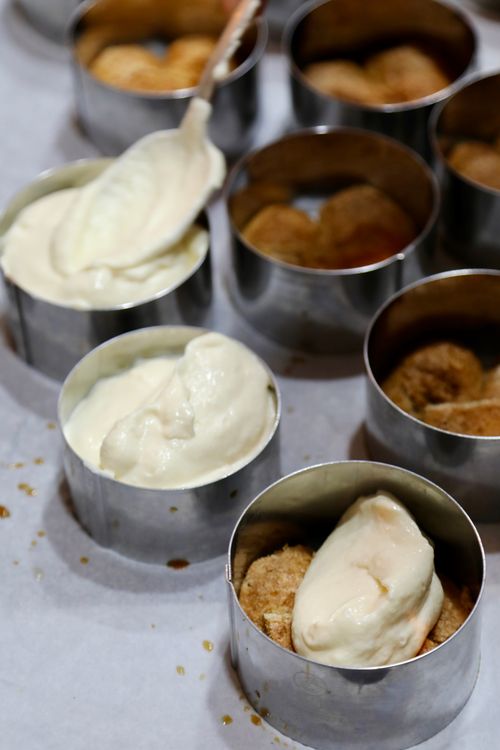
True creaming takes time, five to seven minutes with a hand mixer, sometimes longer. You’re watching for a real transformation: the mixture should go from yellow and grainy to pale, almost white, and noticeably increased in volume. It should look like something a pastry shop would be proud of. If you’re not sure you’ve gone far enough, go another two minutes.
Once the butter and sugar are properly creamed, add the eggs one at a time. This is not a suggestion. Each egg needs a moment to fully incorporate before the next one goes in, or the batter will look curdled and the texture of the finished cake will suffer. If curdling happens anyway, it sometimes does on cold days; don’t panic. Add a tablespoon of flour from your measured amount and keep mixing. It will come back together.
Add your flour last, and add it gently. Over-mixing after the flour goes in develops gluten, and too much gluten gives you a tough, chewy crumb instead of the tender one-pound cake is known for. Stir by hand or switch your mixer to its lowest speed. Mix only until the flour disappears.
The Pan, the Temperature, and the One Rule You Can’t Skip
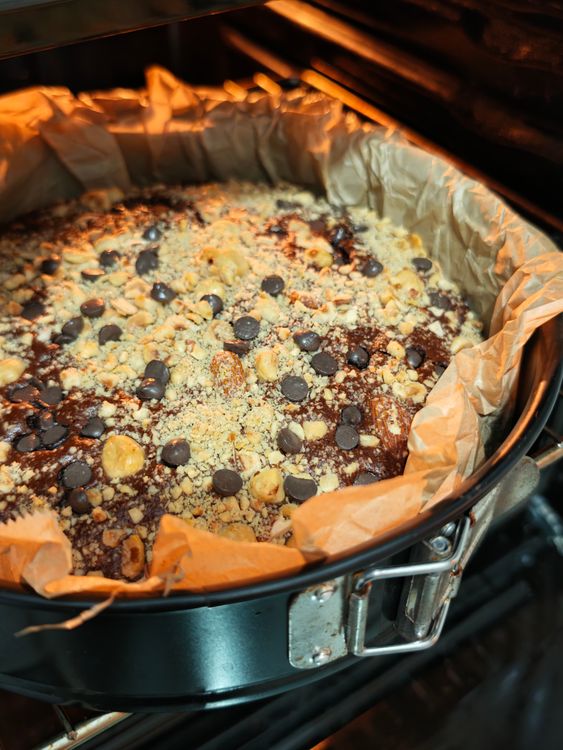
Pound cake bakes low and slow. An oven set between 325°F and 350°F gives the interior time to set before the exterior darkens too much. At higher temperatures, you get a beautiful crust and an underbaked center. The oven wins that argument every time.
A loaf pan works best for a classic pound cake. Grease it well, butter the pan, then dust it with flour, tapping out the excess. Or use a baking spray that contains flour. Either way, do it thoroughly. Pound cake has a tendency to stick, and a stuck cake that tears on the way out is a heartbreak that’s entirely avoidable.
The one rule you cannot skip: don’t open the oven for at least the first 45 minutes. The structure of a pound cake is fragile while it’s still rising and setting. A rush of cool air during that window can cause the center to sink, and a sunken pound cake, while perfectly edible, feels like a small defeat.
How strange it is to remember now that our grandmothers baked these cakes in wood-burning ovens with no temperature gauges, and still got them right by touch and smell alone.
The cake is done when a wooden skewer inserted in the center comes out clean, or with just a dry crumb or two. The top should be golden, and the cake should have pulled slightly away from the edges of the pan. Let it cool in the pan for ten to fifteen minutes before turning it out onto a wire rack. Slicing too soon leads to a gummy interior.
Classic pound cake is wonderful plain. A slice with a cup of coffee on a Sunday morning is one of those small pleasures that doesn’t need embellishment. But there are a few additions that feel at home in the recipe without changing its essential character.
A tablespoon of sour cream or cream cheese stirred into the batter adds moisture and a gentle tang. Lemon zest, the kind you grate from the fruit, not the bottled stuff, brightens everything. A splash of almond extract alongside the vanilla gives the cake a faint, warm depth that most people can’t quite identify but always comment on.
For a glazed finish, a simple pour of powdered sugar mixed with a few tablespoons of milk or lemon juice is all you need. Apply it while the cake is still slightly warm, so it soaks in at the edges and sets on top. It makes a plain loaf look like something from a bakery counter.
What pound cake doesn’t benefit from is too much interference. Chocolate chips tend to sink. Fruit adds moisture that can throw off the bake. Heavy mix-ins like nuts are fine, but use them sparingly. This is a cake that rewards restraint.
Storing, Slicing, and a Few Days of Getting Better

One of the genuinely underappreciated qualities of pound cake is that it improves with time. The day it comes out of the oven,n it’s good. The next morning, wrapped in plastic wrap or kept under a cake dome, it’s better. By day two, the crumb has settled, the flavor has deepened, and a slice at room temperature tastes exactly like the thing you were hoping for when you started.
Store pound cake at room temperature, tightly wrapped, for up to four or five days. It also freezes beautifully;y, wrap individual slices in plastic, then foil, and freeze for up to three months. Thaw at room temperature for an hour before serving.
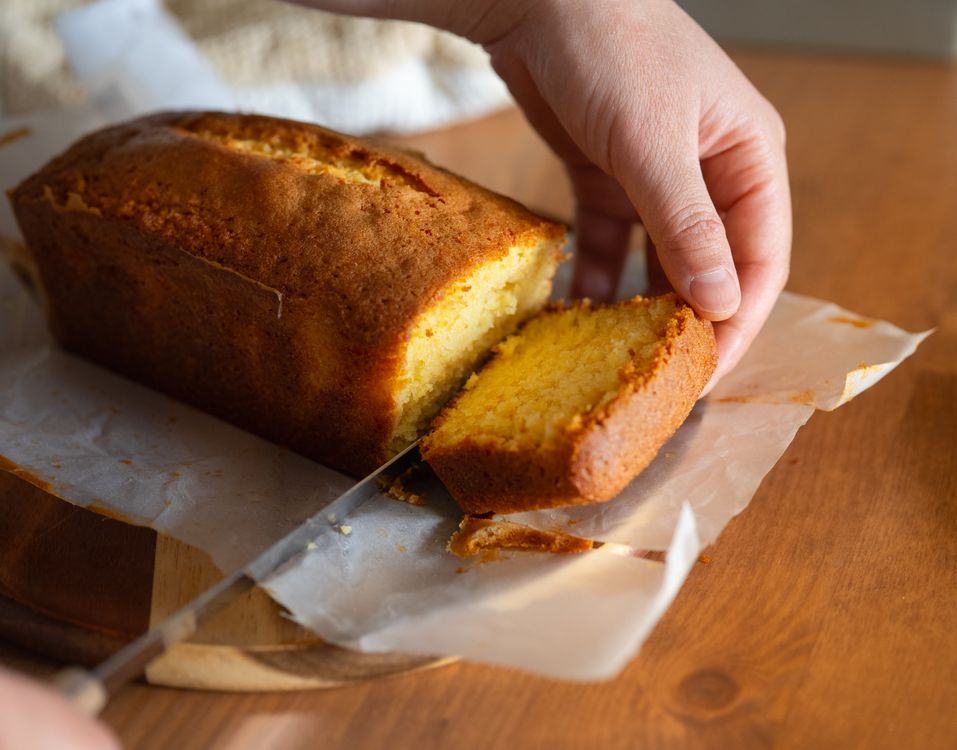
Slice it with a serrated knife using a gentle sawing motion. A straight-edged knife pressed down will compress the crumb, which is a shame after all the work you put into creating it.
Pound cake is one of the oldest baked goods in the American kitchen, and it’s survived this long for a reason. It asks very little of you: good butter, real eggs, a patient hand during creaming, and an oven you trust. The reward is a cake that serves as breakfast, dessert, or an afternoon snack with equal dignity, and that, sliced thin and set on a plate with a few summer berries, looks like you knew exactly what you were doing all along.
Sources
Foundational recipe reference and technique guidance on creaming and bake temperature
Food-science context for butter temperature, egg incorporation, and flour mixing
This article was created with AI assistance and reviewed for clarity and accuracy.