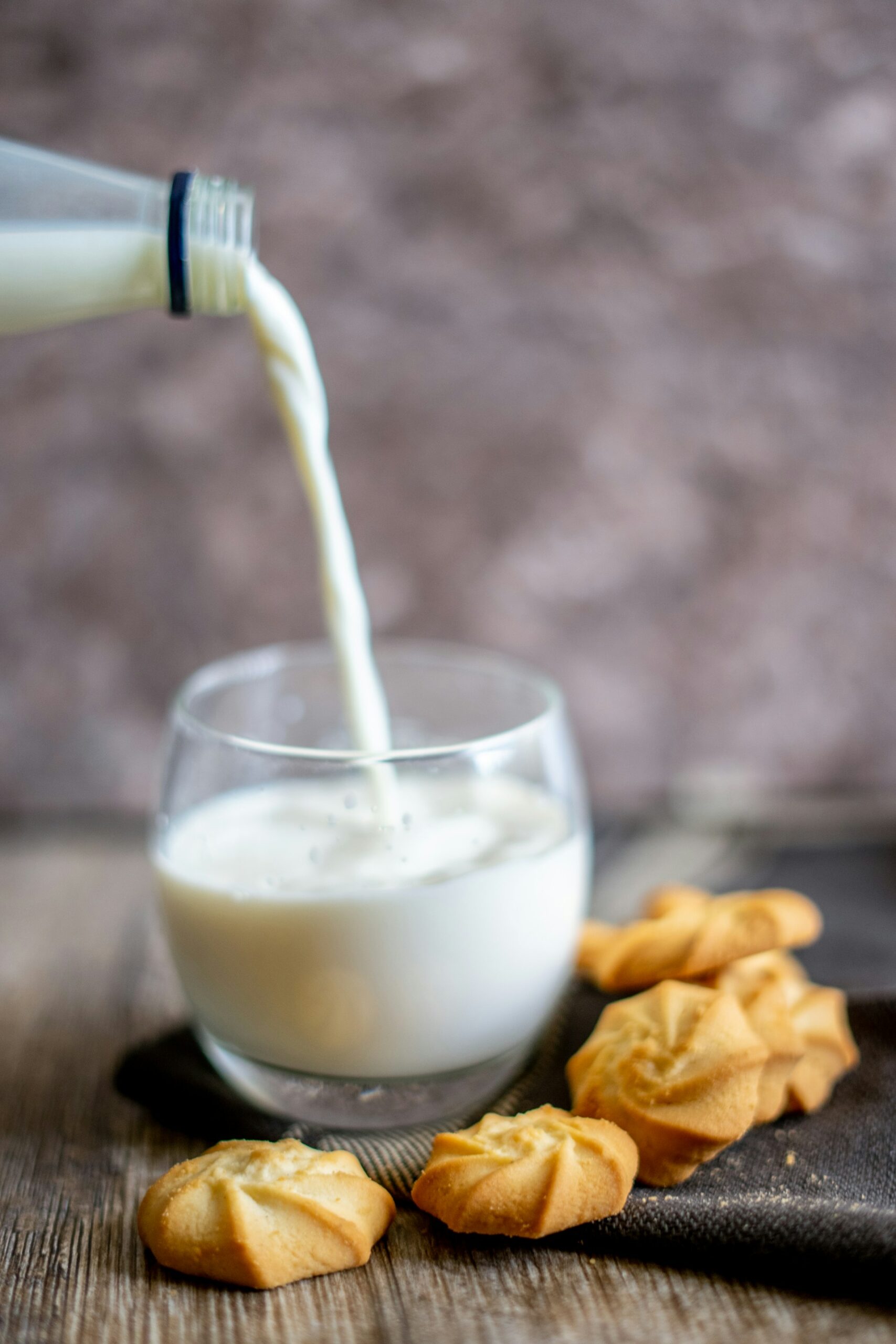

There is a specific kind of panic that sets in when you’re halfway through a batter and realize the buttermilk you were sure you had is either gone or expired. The measuring cup is out. The bowl is waiting. And the recipe, of course, calls for exactly three-quarters of a cup.
Most of us have been there.
Here’s what’s worth knowing: buttermilk is not magic. It’s acid. And acid, as it turns out, is easy to replicate with things you almost certainly have on hand right now.
Table of Contents
What Buttermilk Actually Does

source:unsplash

Before reaching for a substitute, it helps to understand what buttermilk is doing in the recipe in the first place.
Traditional buttermilk was the liquid left behind after cream was churned into butter thin, tangy, slightly fermented. The store-bought version is a cultured dairy product: whole or low-fat milk that’s been treated with bacterial cultures to make it thick and acidic. That acidity is the functional part.
When buttermilk hits baking soda in a batter, the two react and produce carbon dioxide bubbles. Those bubbles are what makes your pancakes fluffy, your cake layers tender, your quick bread soft rather than dense. The acid also breaks down gluten strands slightly, which gives buttermilk baked goods their characteristic tenderness. And the tang mild as it is, adds depth that plain milk simply doesn’t.
So when you’re substituting, you’re not replacing a flavor so much as replacing a chemistry reaction. Keep that in mind and every substitute below makes perfect sense.
The Classic Fix: Milk and Lemon Juice

`This is the one most bakers learn first, and it works. Pour a tablespoon of fresh lemon juice into a liquid measuring cup. White vinegar works too, and it’s more neutral. Fill to the one-cup line with whole milk or 2%, stir, and wait five minutes. You’ll see the milk curdle slightly and thicken. Good. That’s the point.
The reaction mimics the acidity of cultured buttermilk closely enough that most recipes won’t behave any differently. For pancakes, quick breads, muffins, and layer cakes, this swap is essentially invisible. Use it in a one-to-one ratio for whatever amount the recipe requires.
A note on lemon juice versus vinegar: both work, but lemon juice can add a faint citrus note that’s actually pleasant in lighter batters like vanilla cake or blueberry muffins. White vinegar is better when you want no flavor interference at all, cornbread, red velvet, savory quick breads.
Plain Yogurt or Sour Cream
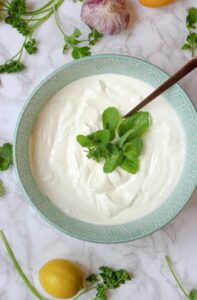
Both of these are already acidic and already thick, which makes them excellent stand-ins when you need the full body of buttermilk, not just the tang.
Thin plain yogurt with a little milk until it pours like buttermilk, roughly three-quarters yogurt to one-quarter milk works for most batches. Sour cream can be handled the same way. Either will give your baked goods the same tender crumb and slight tang that buttermilk produces, sometimes even more so.
These substitutes shine in coffee cakes, pound cakes, and anything where richness matters. Pancakes made with thinned sour cream have a particular softness that’s hard to argue with. Full-fat versions will give you the best results, though low-fat works in a pinch.
Kefir

If you keep kefir in the refrigerator, you’re already set. It’s the closest thing to buttermilk you can pour straight from a bottle. Same consistency, similar acidity, no adjusting needed. Use it cup for cup. The flavor runs slightly sharper than cultured buttermilk, but most ovens erase that difference completely.
Kefir works especially well in pancakes and waffles, where that mild fermented quality reads as depth rather than sourness.
Non-Dairy Options
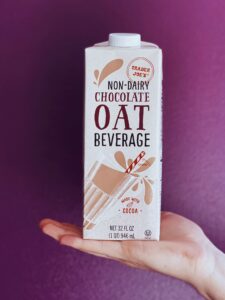
Oat milk, almond milk, and soy milk all respond to the lemon-juice-or-vinegar trick in roughly the same way whole milk does. Soy milk tends to curdle most convincingly, which makes it the strongest choice if you want the closest texture match. Oat milk stays thinner but still activates baking soda reliably.
Use the same ratio: one tablespoon of acid per cup of non-dairy milk, rest for five minutes, then use as directed. For people baking dairy-free, this is the most straightforward path, and it holds up across a wide range of recipes.
A Few Things Worth Keeping in Mind

The substitutes above work best in recipes where buttermilk is doing chemical work, reacting with baking soda, tenderizing gluten, providing lift. In recipes where buttermilk is primarily a flavor component, like a buttermilk dressing or a marinade, the chemistry matters less and the tang matters more. In those cases, plain yogurt thinned with a little water tends to get you closer.
Also worth noting: cold substitutes work better than warm ones. If your milk has been sitting out, give it ten minutes back in the fridge before you mix anything. Cold acid-milk forms a better curd. And that texture is exactly what makes these swaps hold up.
And how strange it is to remember now that generations of home bakers improvised like this as a matter of course, not because they were resourceful in some notable way, but simply because the grocery store wasn’t always close, and the recipe wasn’t going to wait. The workarounds they developed weren’t compromises. They were just baking.
This article was created with AI assistance and reviewed for clarity and accuracy.