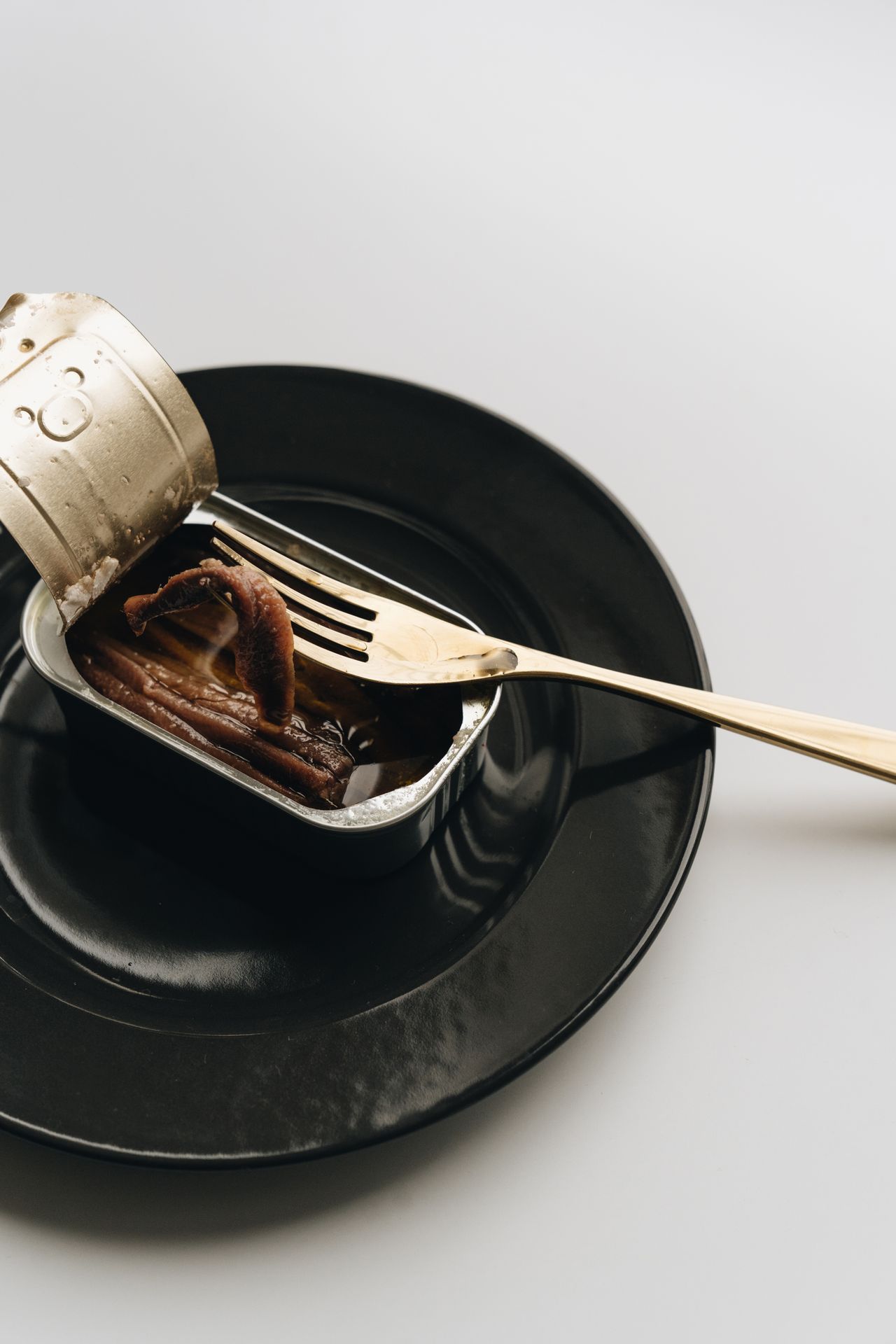

The Campbell’s Soup can sat on the second shelf of every American pantry in 1965, right next to the cream of mushroom, the evaporated milk, and the French-fried onions. Nobody thought twice about reaching for it. Opening a can wasn’t laziness; it was the whole point. After decades of wartime rationing, then the long stretch of postwar abundance that followed, canned goods felt like a gift. Modern technology in a tin. Progress you could pour into a Pyrex dish.
And then something shifted. By the 1990s, cooking from a can had started to feel like a shortcut worth apologizing for. By the 2010s, food culture had swung so far toward fresh and from-scratch that the canned goods aisle started feeling like the part of the grocery store nobody admitted to visiting.
The irony is that many of the dishes those cans produced the ones that came out of your grandmother’s kitchen smelling like warmth and suppe-, home cooks now spend forty minutes recreating from scratch, ingredient by ingredient, and call it a triumph.
Here’s the strange part: the scratch version often doesn’t taste better. It tastes different. Sometimes more refined. But that particular combination of salt, fat, and heat that came out of a 1960s oven? That was the can. And the casserole dish. And the woman who knew exactly how long to leave it in.
Table of Contents
The Casserole That Started Everything


Green bean casserole may be the most famous canned-ingredient dish in American food history. It was developed in 1955 at the Campbell Soup Company’s test kitchens by a home economist named Dorcas Reilly, and by the 1960s it was on every church potluck table from Ohio to Oregon.
The recipe called for two things most people already had: a can of cream of mushroom soup and a can of French-fried onions. Green beans, of course, but even those often came from a can. The dish fed ten people, cost almost nothing, and required no particular skill. Grandmothers made it without a recipe card after the first year. It lived in their hands.
Today, food writers publish elaborate versions with homemade mushroom béchamel and fresh-fried shallots. They are good. They take an hour. They are not the same dish.
What the Pantry Shelf Actually Held

Cream of mushroom soup was the backbone of an entire generation of cooking. It thickened. It seasoned. It bound things together that had no business holding.
Tuna noodle casserole was built on it, egg noodles, a can of tuna, a can of soup, some frozen peas if you had them, and a sleeve of crushed crackers on top. It came out of the oven bubbling and golden and smelling like every Tuesday night in 1967 that you’ve half-forgotten.
Scalloped potatoes were another pantry staple that relied on canned evaporated milk to get that thick, creamy sauce without anyone measuring anything twice. The evaporated milk gave the dish a richness that whole milk couldn’t quite match, and it kept on the shelf for months. Practical. Reliable. Deeply satisfying in ways food scientists still have a hard time fully explaining.
Chicken à la King, a dish that sounds more formal than it was, showed up regularly in homes that kept a can or two of cream of chicken soup on hand. Mixed with diced cooked chicken, a handful of peas, and sometimes other pantry staples like canned vegetables or pimientos depending on the region,
it went over toast points or egg noodles and felt, somehow, it went over toast points or egg noodles and felt, somehow, like something you’d order at a restaurant. That was part of the appeal. Canned cooking let postwar American home cooks approximate a certain kind of abundance that felt new and earned.
The Jell-O Mold’s Quieter Cousin

Tomato aspic doesn’t get discussed much anymore, which is probably fair. But in the 1960s, a savory tomato gelatin mold, made with canned tomato juice, gelatin powder, and whatever vegetables happened to be around, appeared on lunch tables and ladies’ luncheons with full confidence.
It was elegant, in the way that era understood elegance. Cold. Precise. Wobbling slightly on the plate. Canned tomato juice, most commonly V8 or Campbell’s, the dominant brands of the era, made it achievable for anyone.
Nobody is making scratch tomato aspic in 2025 and calling it a triumph. But somebody’s grandmother made it every spring for thirty years, and she was proud of it, and she should have been.
Soup as a Building Block, Not Just a Meal
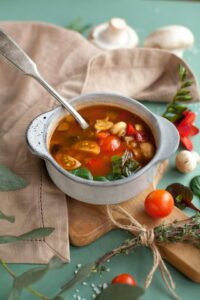
Condensed tomato soup showed up in meatloaf. This is worth sitting with for a moment. You mixed it directly into the ground beef, no water, straight from the can, and it gave the loaf a particular sweetness and moisture that kept it from drying out.
The technique was widely shared through women’s magazine recipe columns and Betty Crocker cookbooks, passed woman to woman the way useful knowledge travels. Home cooks who make meatloaf from scratch today often spend time hunting for that exact quality, adding Worcestershire, ketchup, and stock in various combinations, trying to land on what a can of tomato soup did automatically.
Onion soup mix, technically a packet, not a can, but sharing the same pantry-staple philosophy, got stirred into pot roast and slow-cooked until the kitchen smelled like something holy. The technique required almost no attention. You put the roast in, you added the packet and a little water, you let it go. The result was the kind of tender, deeply savory meat that home cooks now chase with beef stock reductions and fresh thyme.
The Desserts Nobody Talks About

Sweetened condensed milk made fudge, made key lime pie filling, made a no-bake cheesecake that required only cream cheese and a graham cracker crust. These desserts were weeknight-possible. They didn’t require a candy thermometer or a water bath or anything that suggested the cook had been formally trained. They suggested, instead, that the cook was clever, which she was.
Canned fruit cocktail went into upside-down cakes and Jell-O molds and was folded into whipped topping. Cool Whip arrived in 1966, so earlier in the decade cooks used Dream Whip or freshly whipped cream to make what the era called ambrosia salad. It was sweet, cold, and a little strange by any objective measure. People loved it without apology. It showed up at every birthday, every holiday, every covered-dish dinner that had a dessert table.
The scratch movement is real, and it has produced genuinely better versions of many dishes. Fresh pasta is better than boxed. Homemade stock is richer than canned broth. A slow-simmered marinara from San Marzano tomatoes is something your grandmother’s pantry never had.
When a home cook today spends an hour making a mushroom sauce to pour over green beans, she is honoring something real. But she might also be chasing a memory of a dish she can’t quite reconstruct, because the version she’s remembering came from a can, and the can is gone from her kitchen, and the taste she’s reaching for is sixty years back and just out of reach.
That’s not a failure of skill. That’s just how food memory works. You’re always trying to get back to something.
Sources
Tuna_noodle_casserole
Condensed Milk.
This article was created with AI assistance and reviewed for clarity and accuracy.