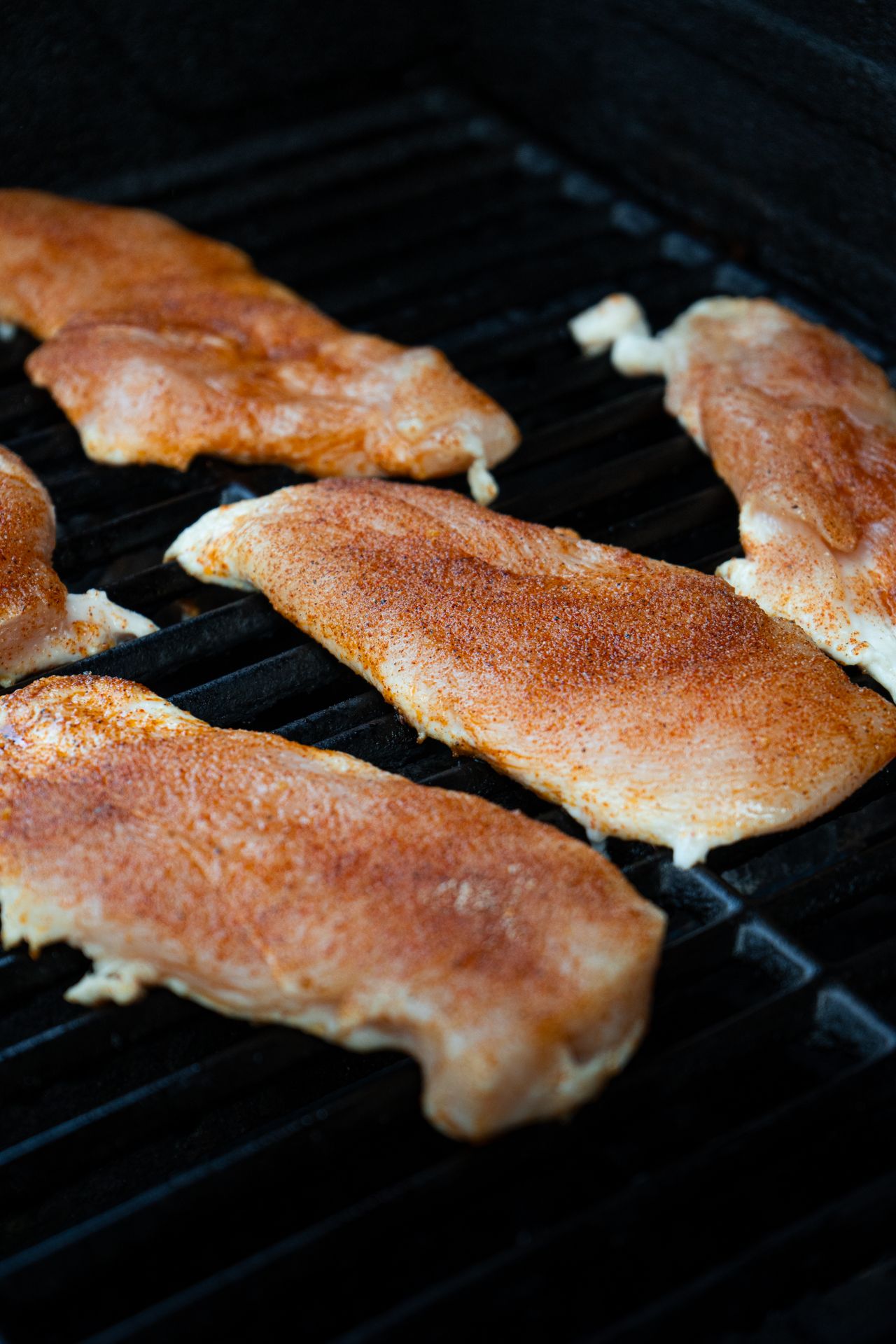

At 375°F, a boneless chicken breast is already in trouble. Most home cooks set the oven, walk away, and pull it out when the timer goes off then wonder why every bite is dry and chalky. The chicken isn’t the problem. The method is.
These are the kinds of errors that sit quietly in the background of a meal, invisible until something tastes off and nobody can say why. Most of them take thirty seconds to fix once you know what to look for.
Table of Contents
The Pan Is Too Crowded
Crowd a pan and you’ve turned a sear into a steam. When meat or vegetables sit close together over high heat, the moisture they release has nowhere to go. It pools. The temperature drops. Instead of browning, everything softens and sweats and that golden crust you were going for never shows up.

The fix is straightforward: cook in batches. Two rounds in a hot pan will always beat one overcrowded round. If the pan looks full, it is full. Pull half the food out and go again.
This applies equally to vegetables. A single layer with space between pieces is not optional, it’s how the Maillard reaction actually works. That reaction, which creates the browned, complex flavors on the surface of food, needs direct dry heat. Moisture kills it.
Resting Meat Isn’t Optional

Cut into a steak right off the heat and the juices run across the cutting board. That liquid is not coming back. The muscle fibers, still contracted from the high heat of cooking, haven’t had time to relax and reabsorb what they expelled. Five minutes on a cutting board costs nothing. A steak rested properly will be noticeably juicier than one that wasn’t.
The same principle applies to roasted chicken, pork chops, and burgers. Larger cuts need longer rests, a whole roasted bird benefits from ten to fifteen minutes under a loose tent of foil before it’s carved.
And here’s the part most people skip: carryover cooking. A steak pulled from heat at 125°F will continue rising toward 130°F as it rests. Pull it too late and resting can’t save it. The thermometer is doing you a favor if you let it.
Seasoning at the End Doesn’t Work

Salt added at the table sits on the surface of food. Salt added earlier, during cooking or even before, has time to penetrate, draw out moisture, and redistribute through the ingredient. That’s a fundamentally different result.
With proteins, salting early matters most. A chicken breast salted thirty minutes before cooking will be seasoned throughout. One salted only in the pan will have a salty exterior and a bland interior.
Here’s the thing. Pasta water should taste like the sea. Not “a little salty.” Actually salty, the way cooks at America’s Test Kitchen describe it. Under-salted pasta water means under-seasoned pasta, no matter what sauce lands on top. The pasta absorbs the water as it cooks. No salt in the water, no salt in the pasta. Simple as that.
The Oven Temperature Is a Lie

Most home ovens run hot or cold by anywhere from 25 to 50 degrees. Some run hotter on one side than the other. A recipe written and tested on a calibrated commercial oven is giving instructions your oven may not be able to follow precisely.
An inexpensive oven thermometer, the kind that hangs from a rack, solves this immediately. Place it in the center of the oven, let it preheat, and read what it actually says. The difference between what the dial reads and what the thermometer says is your correction factor. Write it on a piece of tape and stick it to the oven door.
Baking is where this matters most. A chocolate cake that’s supposed to bake at 350°F for 35 minutes in a 375°F oven will be overbaked on the outside and wet in the middle. The recipe isn’t wrong. The oven is.
You’re Using the Wrong Pan for the Job

A thin stainless skillet and a cast iron pan behave like completely different tools. Cast iron holds heat; it doesn’t respond quickly to temperature changes. Stainless heats faster, drops faster when cold food hits it, and requires more attention. Nonstick pans can’t tolerate high heat without breaking down the coating.
Using the wrong pan for a task is like trying to deglaze a fond that doesn’t exist, or searing in a pan that won’t hold temperature when a cold protein hits the surface. Neither works.
The practical guide: cast iron for searing and high-heat tasks, stainless for sauces and anything that benefits from fond development, nonstick for eggs and delicate fish. Treat each one accordingly, and they last decades.
Knives That Don’t Cut Are Dangerous

A dull knife requires more force. More force means less control. Less control means the blade goes where you didn’t intend. Dull knives cause more kitchen injuries than sharp ones, and they also bruise food rather than cutting it cleanly, which matters for herbs, where a crushed cell releases bitterness instead of fragrance.
A honing steel used regularly keeps an edge aligned between sharpenings. Actual sharpening, on a whetstone or by a professional, restores the edge when honing alone isn’t enough. Most home cooks sharpen far less often than they should and hone almost never.
The test: a sharp knife slices through a ripe tomato with almost no pressure. If you’re pressing and sawing, the knife is dull.
Not Reading the Recipe Before Starting

Sounds obvious. Almost nobody does it.
A recipe that needs two hours of marinating time, read at 6 p.m., means dinner at 8 p.m. at the earliest. But the one that really gets people: “room-temperature butter.” You read that after the butter is already sitting cold in the bowl. So now you’re improvising, and the result won’t match what the author tested. Mise en place, the prep-everything-before-you-start habit that professional kitchens run on, exists because once the pan is hot, there’s no time to catch surprises. Read the whole recipe. Then set up. Then cook.
The difference between a meal that works and one that doesn’t is rarely about skill. It’s almost always about one of these seven things happening quietly in the background. Fix the method, and the food fixes itself.
Sources
Background on resting meat and carryover cooking principles
Early salting and seasoning penetration in proteins
Background on the browning chemistry referenced throughout
This article was created with AI assistance and reviewed for clarity and accuracy.