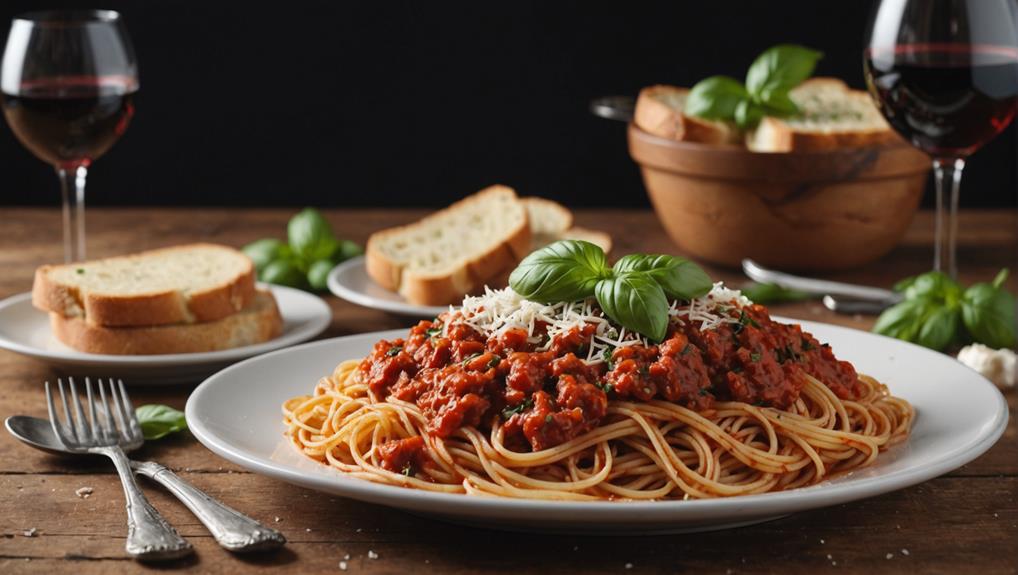
When you think about creating a delicious spaghetti dish, the key lies in balancing flavors and textures. Start by browning your choice of ground meat with onions, garlic, and a blend of spices like basil, oregano, and red pepper flakes. This savory base pairs perfectly with a rich, tomato-based sauce and al dente spaghetti noodles. But there’s more to perfecting this classic dish than meets the eye how can you take it to the next level with unique ingredients and variations?

Table of Contents
Ingredients you need to have
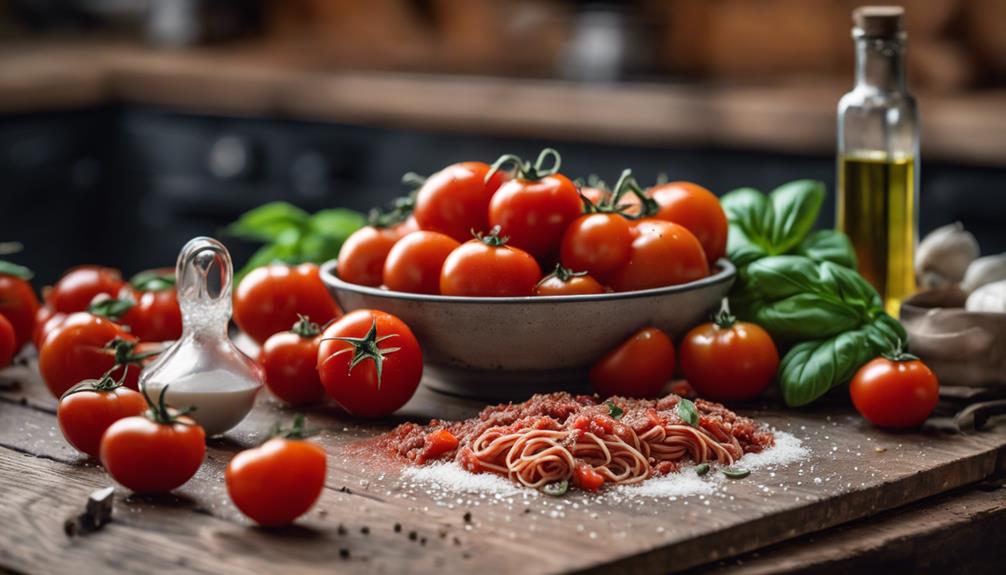
You’ll need spaghetti noodles, ground meat, tomatoes, onions, garlic, and various spices to make a delicious spaghetti dish. These fundamental ingredients are the core of any great spaghetti recipe.
First, select your spaghetti noodles. You can choose between whole wheat, gluten-free, and classic durum wheat pasta.
Next, ground meat is essential for a hearty sauce. Ground beef is important, but ground turkey offers a leaner alternative. The tomatoes form the base of your sauce—use tomato sauce, paste, or diced tomatoes as you prefer.
Onions and garlic are vital for depth of flavor. Chop them finely to make sure they meld seamlessly into the sauce. Spices combine everything; don’t forget pantry staples like salt, pepper, and olive oil. Basil and oregano are classic herbs that elevate the taste, while optional additions like bell peppers or mushrooms can add more complexity.
Customizing your spaghetti recipe is easy. You can create variations like classic meat sauce spaghetti, vegetarian marinara, or creamy carbonara.

These ingredients are affordable and versatile, making spaghetti a popular choice for feeding a crowd with minimal effort.
Preparation Steps
Now that your ingredients are ready let’s start the cooking process to make a delicious spaghetti dish.
First, heat a large skillet over medium heat and add the ground beef. Break it up with a spatula and cook until it’s browned and no longer pink, about 5-7 minutes.
Next, add finely chopped onions and minced garlic to the skillet. Stir them in well, allowing the onions to become translucent and the garlic to release its fragrant aroma, usually about 2-3 minutes. Season the mixture with your favorite spices, like salt and pepper, and a pinch of red pepper flakes if you enjoy a bit of heat.
Once the ground beef mixture is ready, pour in your tomato sauce and let it simmer on low heat. This allows all the flavors to meld together beautifully. Stir occasionally to prevent sticking.
While the sauce is simmering, you can start boiling a large pot of salted water for the spaghetti, but we’ll cover the detailed steps in the next section.
Cooking the Pasta

To cook the pasta perfectly, boil a large pot of water with enough salt to enhance the flavor. Once the water reaches a rolling boil, add the spaghetti and stir to prevent sticking.
Cook until al dente, then drain without rinsing to keep the starch for better sauce adherence.
Perfect Boiling Technique
Mastering the art of boiling spaghetti can make all the difference in your pasta dishes. To start, fill a large pot with plenty of water. This allows the pasta to move freely and cook evenly. Before adding the spaghetti, ensure the water is at a rolling boil, and then add a generous amount of salt. This salted water enhances the pasta’s flavor, especially when pairing it with a robust tomato sauce.
Once the water is boiling and salted, add the spaghetti. Stir immediately to prevent sticking. Watch the cooking time; follow the package instructions or cook until the pasta is al dente. This texture offers a slight firmness that pairs perfectly with sauces.
Here’s a quick reference table for boiling spaghetti:
| Step | Action |
|---|---|
| Boiling | Use plenty of water |
| Salting | Add salt before the pasta |
| Stirring | Stir immediately after adding |
Remember to reserve a cup of pasta water before draining. This starchy water can be a secret weapon for your sauce, adding flavor and a silky consistency. Once drained, your spaghetti is ready to be transformed into a culinary masterpiece.
Salt and Water Ratio
The perfect balance of salt and water is essential for cooking delicious spaghetti. To get started, you’ll need to adhere to the ideal salt ratio of 1-2 tablespoons of salt per gallon of water. This guarantees your pasta absorbs just the right amount of flavor during cooking.
Here’s why this balance matters:
- Flavor Enhancement: Salting the water enhances the pasta’s flavor, making each bite more delightful.
- Even Cooking: Using enough water ensures the pasta cooks evenly and doesn’t stick together.
- Prevent Mushiness: Adding pasta to water at a rolling boil prevents it from becoming mushy.
- Clump Prevention: Stirring occasionally while cooking helps avoid clumping and ensures even cooking.
First, bring a large pot of water to a rolling boil. This rapid, bubbling boil is essential to ensure the pasta doesn’t turn mushy.
Next, add the salt to the boiling water. Don’t skimp on it—this step is important for flavor. Once the salt dissolves, add your spaghetti. Stir it occasionally to keep the strands from sticking together and to promote even cooking.
Al Dente Test
Testing for al dente perfection involves biting into a strand to check for slight firmness in the center. To achieve this in your spaghetti recipe, cook the spaghetti noodles according to the package instructions, but start checking a minute or two earlier. Al dente means ‘to the tooth‘ in Italian, which refers to pasta that’s fully cooked yet firm when bitten.
Grab a strand of the cooked pasta and take a bite. You’re looking for a slight resistance in the center, indicating it’s al dente. The spaghetti noodles shouldn’t be mushy; they should have a pleasant chewiness without being hard. Overcooked pasta will be soft and lack the desirable texture that al dente offers.
Al dente pasta is essential for a successful spaghetti because it holds the sauce and flavors better. If the noodles are too soft, they won’t provide the same satisfying bite, and the dish may become overly soggy.
Making the Sauce
To make a delicious spaghetti sauce, browning ground beef with garlic, onion, and green pepper until it’s crumbly and well-cooked. This traditional spaghetti sauce foundation is key to building rich flavors. Once the beef mixture is browned, add diced tomatoes, tomato sauce, and tomato paste. Stir well to combine all the ingredients.
Next, season your sauce with oregano, basil, salt, and pepper. These herbs and spices will enhance the taste profile, making it incredibly aromatic.
Now, it’s time to let your sauce develop its depth of flavor. Reduce the heat and let it simmer gently. Simmering allows the sauce to thicken and the flavors to meld beautifully.
While you’re simmering the sauce, keep these steps in mind:
- Patience: Allowing the sauce to simmer guarantees a well-developed flavor.
- Stirring: Stir occasionally to prevent sticking and to blend the flavors evenly.
- Tasting: Taste the sauce as it simmers, adjusting the seasoning if necessary.
- Consistency: Aim for a thick, hearty consistency that clings to the pasta perfectly.
Combining Pasta and Sauce

Once your sauce has simmered to perfection, it’s time to cook the spaghetti noodles until al dente. Boil a large pot of salted water, then add the best pasta.
While the spaghetti cooks, ensure your homemade spaghetti sauce, enriched with ground beef, is ready. Drain the pasta once it’s cooked to that perfect firm-but-tender texture.
Next, transfer the hot spaghetti into the pan with the sauce. This step is essential because combining pasta and sauce ensures every strand is well-coated. Gently toss the noodles in the sauce, allowing the flavors to meld beautifully.
The ground beef in your sauce will add a rich, meaty texture that complements the pasta perfectly. Remember to keep the heat low to avoid drying out the sauce. The goal is to let the spaghetti absorb some of the sauce’s delicious flavors. This method guarantees a well-balanced and harmonious dish.
Once mixed, let the spaghetti rest for a minute, allowing the flavors to settle. Pair your dish with garlic bread to make the meal even more satisfying.
Now, you’re ready to enjoy a delightful spaghetti plate that tastes like home.
Serving Suggestions
When serving spaghetti, consider the perfect portion size to guarantee your guests are satisfied without feeling overly full.
Complement your spaghetti with side dishes like garlic bread and a fresh salad with balsamic vinaigrette.
Don’t forget to add freshly grated Parmesan and chopped herbs for an extra flavor.
Ideal Portion Sizes
For a perfect serving, aim for about 2 ounces of cooked spaghetti, roughly 1 cup, paired with 1/2 cup of sauce with meat. This serving size guarantees you get a balanced meal without overindulging. Proper portion sizes are essential for maintaining a healthy diet and savoring each bite fully.
When planning your meal, keep these points in mind:
- Stick to 2 ounces of cooked spaghetti: This provides a satisfying base without overwhelming your plate or stomach.
- Add 1/2 cup of spaghetti sauce with meat: This portion size keeps the flavors balanced and perfectly complements the spaghetti.
- Adjust portions based on dietary needs: If you’re more active, you might need a bit more; if you’re watching your calorie intake, a little less might be ideal.
- Consider individual preferences: Everyone’s tastes differ, so tweak the amounts slightly to suit personal likes or dislikes.
Complementary Side Dishes
Pair your spaghetti meal with toasted garlic bread for a delightful and complementary side dish. The bread’s crispy texture and rich garlic flavor perfectly complement the smooth and savory spaghetti sauce.
For a refreshing and lively contrast, serve a Panzanella salad. This Italian bread salad with juicy tomatoes, cucumbers, red onions, and basil adds a rejuvenating bite to your meal. It’s light and zesty, balancing out the heartiness of your spaghetti.
Another classic choice is a Caesar salad supreme. The crunch of romaine lettuce, creamy Caesar dressing, Parmesan cheese, and croutons brings a rich and tangy flavor to your table. It’s a timeless pairing that never fails to impress.
If you’re looking for a nutritious and flavorful side dish, try some sauteed zucchini. Simply slice the zucchini and sauté it with a bit of olive oil, garlic, and a sprinkle of salt. It’s quick and easy, and the zucchini adds a deliciously mild taste that blends well with your spaghetti.
Pairing these side dishes with your spaghetti enhances the overall meal and provides a variety of flavors and textures to enjoy.
Tips for Perfect Spaghetti

A pinch of salt in the boiling water can make a difference in the flavor and texture of your spaghetti. It’s a simple step but elevates the dish to new heights.
Timing is vital when cooking the perfect spaghetti. Follow the package instructions to achieve al dente noodles, which should be firm to the bite. If you’re using gluten-free pasta, adjust the cooking time to avoid mushy results.
Start by browning ground beef in a skillet to make your spaghetti sauce unforgettable. Add a sprinkle of crushed red pepper for a bit of heat and season generously with garlic powder. Pour in the tomato sauce and let it simmer, allowing the flavors to meld together beautifully. Remember to turn off the heat before adding fresh garlic to prevent it from burning and turning bitter.
Here are some essential tips to ensure your spaghetti turns out perfectly every time:
- Salt the water: It enhances the pasta’s flavor.
- Cook to al dente: Follow the recommended time for perfect texture.
- Adjust for gluten-free: Ensure ideal texture by tweaking the time.
- Use ample garlic: It intensifies the overall flavor.
Storing Leftovers
When storing your leftover spaghetti, you’ll want to ensure it stays fresh and delicious. Start by keeping your spaghetti and meat sauce in an airtight container in the fridge. This way, you can enjoy it for up to 3 to 4 days.
If you have leftover spaghetti sauce that you won’t use within that time frame, freezing it is a great option. To freeze spaghetti sauce, let it cool completely. Then, transfer it to a labeled gallon freezer bag, removing as much air as possible before sealing. Your frozen spaghetti sauce will stay good for 4 to 6 months.
When ready to use it, thaw the sauce in the fridge overnight for the best results. You have a couple of options for reheating spaghetti sauce. You can warm it in the microwave or on the stovetop until heated. This guarantees that your sauce retains its flavor and texture.
Reheating Instructions

Now that you’ve stored your leftovers safely let’s talk about reheating them.
Whether you’re using a microwave, stovetop, or oven, there are specific steps to guarantee that your spaghetti will be warm and delicious.
Follow these tips to make sure your meal is reheated evenly and safely.
Microwave Reheating Tips
To reheat your leftover spaghetti in the microwave, place it in a microwave-safe dish. This method is quick and easy, perfect for busy nights when you aren’t looking to reheat on the stove.
To guarantee the best spaghetti reheating results, follow these steps:
- Add a splash of water: This helps prevent your pasta from drying out.
- Cover the dish: Use a microwave-safe lid or plastic wrap to retain moisture.
- Heat on high power: Set the microwave for 1-2 minutes.
- Stir halfway through: This ensures even heating throughout the dish.
Stovetop Reheating Method
Reheating spaghetti on the stovetop is a simple way to bring your leftovers back to life with minimal effort. Start by placing a saucepan over low to medium heat. Add a splash of water or sauce to guarantee your spaghetti will not stick or dry out. This is especially important if your spaghetti includes ground beef and tomato paste, which can easily lose moisture when reheated.
Stir the spaghetti frequently to ensure even heating throughout. This not only helps warm the pasta but also redistributes the flavors of the ground beef, tomato paste, and Italian seasoning, making each bite as delicious as when it was freshly made.
Avoid high heat, which can burn or overcook your spaghetti, ruining its texture.
Heat until the spaghetti is warmed through, typically taking 5-10 minutes. Once it’s ready, you can serve it immediately. For an extra touch, sprinkle some grated parmesan cheese before serving. The cheese will melt slightly, adding a deliciously creamy texture that complements the rich flavors of the ground beef and tomato paste.
Enjoy your reheated spaghetti without any fuss!
Oven Reheating Instructions
When you want to reheat your spaghetti in the oven, preheat it to 350°F (175°C).
Place your spaghetti in an oven-safe dish with ground beef and pasta sauce or marinara sauce. Cover the dish with aluminum foil to maintain the moisture and guarantee even reheating.
Bake the spaghetti for 20-30 minutes, checking it halfway through to stir and promote uniform heating.
While reheating, keep these key steps in mind:
- Preheat: Preheat the oven to 350°F (175°C).
- Cover: Use aluminum foil to cover the dish, preserving moisture.
- Bake: Reheat for 20-30 minutes.
- Check: Make sure the internal temperature reaches 165°F (74°C).
These steps will help you avoid dry, unevenly heated spaghetti. Stirring midway ensures that your ground beef and pasta sauce are heated through, giving you that delicious, fresh-out-of-the-oven taste.
Don’t skip checking the internal temperature; it’s essential for safe consumption.
Recipe Variations
For a unique twist, get creative with your spaghetti by trying different proteins like chicken, shrimp, or tofu. You can also experiment with ground beef or Italian sausage to give your dish a classic meaty flavor. For those seeking vegetarian options, lentils, mushrooms, or eggplant serve as excellent substitutes for meat. Don’t forget, you can always customize the spice level to suit your taste by adding red pepper flakes, chili powder, or hot sauce.
Enhance your spaghetti’s flavor profile by incorporating sun-dried tomatoes, olives, capers, or artichokes into the sauce. These ingredients add a rich and tangy element that elevates the overall taste.
Consider switching up the type of pasta you use. Whole wheat, gluten-free, or vegetable-based noodles present healthier alternatives that bring varied textures and flavors to your dish. Here’s a quick guide to inspire your next spaghetti creation:
| Protein | Vegetarian Options | Pasta Types |
|---|---|---|
| Chicken | Lentils | Whole Wheat |
| Shrimp | Mushrooms | Gluten-Free |
| Tofu | Eggplant | Vegetable-Based |
| Ground Beef |