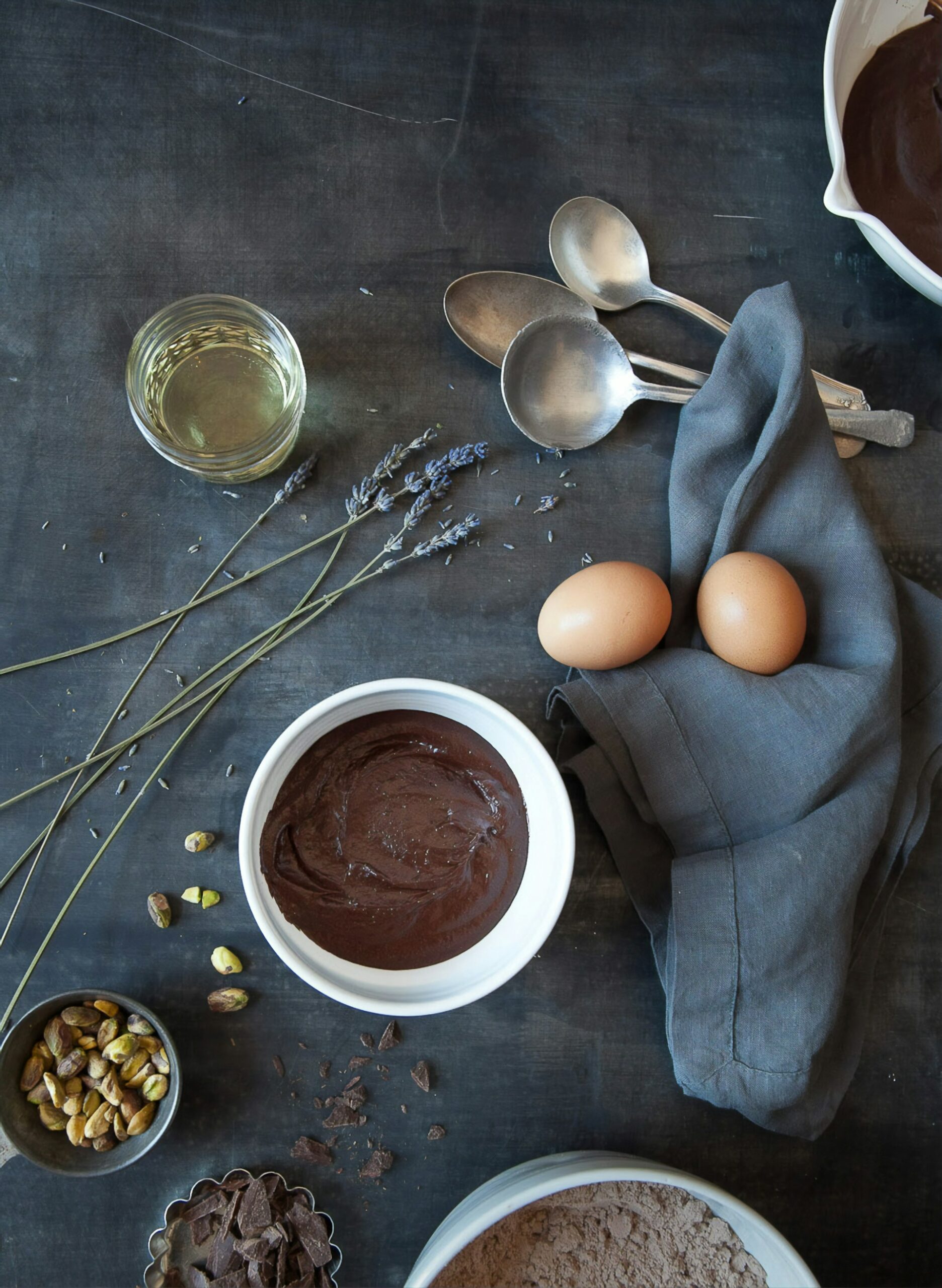

The best desserts in most home kitchens don’t come from a recipe with seventeen steps. They come from a bag of chocolate chips, a can of sweetened condensed milk, and someone who decided ten minutes was enough time.
That’s the honest truth about fast desserts. The ones that stick around the ones people make again and again on a Tuesday when dinner is barely cleared are built on five or six ingredients that live in the pantry already. No special occasion required. No pastry training either.
Here’s what separates a fast dessert that actually works from one that just looks simple: it has to deliver on texture. Sweetness alone isn’t enough. The best quick desserts hit on at least two textural notes, something soft against something slightly firm, or something cool against something warm. That contrast is what makes a simple thing feel intentional.
Table of Contents
The Pantry Ingredients That Do the Heavy Lifting

Sweetened condensed milk is the most underused shortcut in the American kitchen. One can of it, combined with cocoa powder and a little butter, produces a fudge that sets in the refrigerator in about an hour, no candy thermometer, no soft-ball stage, no standing over a hot pot watching a thermometer climb. The ratio that works: one can of condensed milk to three tablespoons of butter and half a cup of cocoa powder. Stir over low heat until smooth, pour into a lined pan, chill. Done.
Cream cheese is the second heavy lifter. At room temperature, it blends into a no-bake cheesecake filling in about three minutes flat. Combine it with powdered sugar and a little vanilla, fold in whipped topping, and you have a filling that works in a store-bought graham cracker crust, in small cups layered with crushed cookies, or spooned directly over fresh fruit. It’s not technically a cheesecake. But it tastes like one.
And here’s the part most weeknight cooks miss: frozen puff pastry. It thaws on the counter in 20 minutes. After that, it bakes into something that looks like it came from a bakery. Butter, sugar, a few berries or sliced apple on top, 400°F for 15 minutes. The pastry puffs up around whatever you put on it. The sugar caramelizes. It looks like effort. No-Bake Options That Work Best When You’re Tired
The no-bake category deserves more respect. When the oven feels like too much, and sometimes it does, a few reliable formats hold up every time.
Chocolate bark is nearly foolproof. Melt good chocolate (or even chocolate chips) in a microwave in 30-second intervals, stir between each one, and pour it onto a parchment-lined baking sheet. Scatter whatever you have on top: flaky salt, crushed pretzels, toasted nuts, dried cranberries, a handful of mini marshmallows. Slide it into the freezer for 20 minutes and break it apart. The texture is satisfying in a way that store-bought chocolate rarely is, because the toppings are yours and the ratio is whatever you decided.
Icebox cakes are slower; they need a few hours to set, but the active time is under ten minutes. Layer graham crackers with whipped cream (homemade or store-bought both work), repeat the layers in a dish, and refrigerate. The crackers soften into something almost cake-like. The whole thing tastes like it required planning. It didn’t.
Banana “nice cream” is one ingredient: frozen bananas, blended. Blend them long enough, and the texture goes from chunky to genuinely smooth and creamy. Add a spoonful of peanut butter or a little cocoa powder if you want to take it somewhere. It’s a dessert that requires no sugar, no dairy, and about three minutes of actual work, and it’s cold, which matters in summer.
When You Actually Have 20 Minutes and a Warm Oven
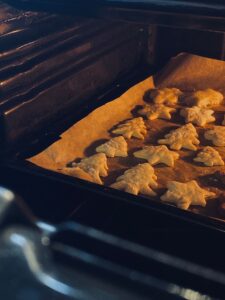
Mug cakes have a reputation they haven’t entirely earned. The early versions, popular around 2008 or so, were rubbery and dense,e and nobody talked about them twice. The technique has improved. Pull it out at 60 to 90 seconds, even when it still looks a little wet in the center. That’s right. Carryover heat finishes the job in the mug. A ratio worth keeping: two tablespoons each of butter and sugar, one egg yolk, three tablespoons of flour, two tablespoons of cocoa, a splash of milk.
Mix it in the mug, microwave it, eat it immediately. Skillet cookies are the oven-based version of the same instinct. One batch of cookie dough, either from scratch or from a tube, pressed into a cast iron skillet and baked at 350°F for about 18 minutes produces a cookie that’s crisp at the edges and genuinely gooey at the center. Slice it into wedges. Serve it warm with a scoop of vanilla ice cream on top. It looks like a restaurant dessert. It costs the effort of pressing dough into a pan.
Roasted stone fruit is worth keeping in the rotation from late spring through early fall. Halved peaches or plums, cut side down in a hot skillet with a little butter and brown sugar, caramelize in about eight minutes. The sugars concentrate. The fruit softens but holds its shape. Serve it with vanilla yogurt or ice cream. It’s the kind of dessert that makes people think you planned dinner better than you did.
The Principle Behind All of It
What these desserts share isn’t just simplicity. It’s that they trust the ingredient to do most of the work. Chocolate tastes like chocolate. Butter browns. Cream cheese is rich. Ripe fruit is already sweet. Fast desserts work when the cook gets out of the way and lets those things happen, at the right temperature, for the right amount of time, without overthinking.
The instinct to complicate dessert is understandable. But the home kitchen’s strongest argument against it is a skillet cookie that took 20 minutes and left everyone at the table quiet for a minute.
That’s the goal.
Sources
Reference for common no-bake dessert formats and technique conventions
Reference for mug cake timing and texture guidance
This article was created with AI assistance and reviewed for clarity and accuracy.