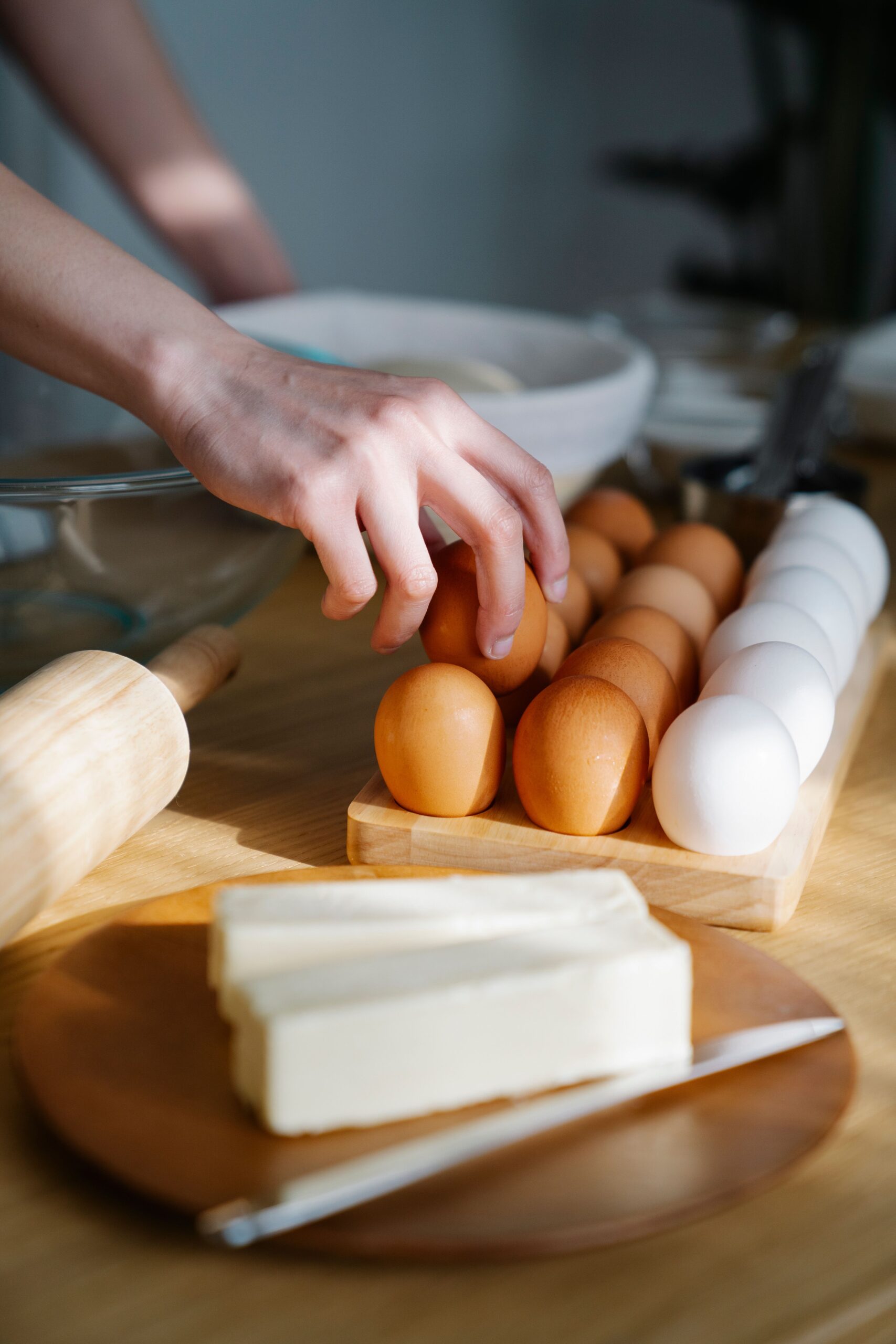

At 160°F, a whole egg transforms from a liquid into a structural net that holds your cake together, lifts your muffin, and seals your cookie against crumbling apart. That’s not a metaphor. It’s actual protein chemistry, and it’s the reason swapping eggs in baking is more complicated than swapping them in scrambled eggs. In a skillet, an egg is just an egg. In a batter, it’s doing three jobs at once, sometimes all three in the same recipe.
That’s where most egg-substitute advice goes wrong. Articles list the options flaxseed, applesauce, aquafaba, without explaining why each one works, or when it doesn’t. And home bakers end up with flat brownies or gummy quick breads and no idea what went wrong.
Here’s the part that changes everything: before you pick a substitute, you need to know which job the egg was doing.
Table of Contents
What Eggs Actually Do in a Recipe


Eggs work in three distinct ways. The first is structure. Egg proteins, when heated, set and firm up. In cakes and muffins, this is what keeps the crumb from collapsing. The second is binding. Raw egg acts like glue, holding together ingredients that wouldn’t otherwise stick, think cookies, meatballs, or quick breads. The third is leavening. When you beat eggs or egg whites, you trap air. That air expands in the oven and pushes the batter up. Chiffon cake and soufflés depend almost entirely on this function.
Most recipes use eggs for one dominant reason, with the other two as supporting roles. A dense brownie leans on binding. A fluffy yellow cake leans on leavening. A chewy oatmeal cookie leans on binding with a little structure.
Once you identify the dominant job, the substitute list gets much shorter.
The Substitutes, and What They’re Actually Good For
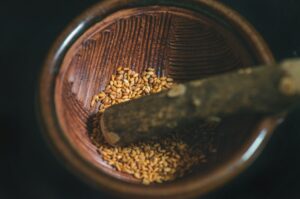
Flaxseed meal and water is the most reliable all-purpose binder. One tablespoon of ground flax, three tablespoons of water, five minutes of rest. It gels into something that mimics egg binding surprisingly well. Works in pancakes, muffins, quick breads, cookies. But it won’t add lift. And it carries a faint nutty flavor, barely there in spiced recipes, more obvious in something delicate like vanilla pound cake. Use it where binding is the main job and the recipe can absorb a little earthiness.
Chia seeds and water, same ratio as flax, same mechanism. Chia gels even faster and has a milder flavor. The only drawback is texture: the small seeds stay visible, which matters in pale, fine-crumbed baked goods and not at all in dense ones.
Unsweetened applesauce, a quarter cup replaces one egg, and it brings moisture, binding, and a small amount of natural sweetness. It’s ideal in quick breads, muffins, and spice cakes where a slightly denser, moister texture is welcome. It actively hurts recipes where you need lift, anything that should be light or airy. Applesauce is also acidic, which can interact with leavening agents. In recipes using baking soda, that’s sometimes a benefit. In others, it shifts the balance in ways that are hard to predict without testing.
Mashed banana, similar to applesauce in structure and function, but with a much stronger flavor. A quarter cup of ripe banana replaces one egg. It binds, adds moisture, and contributes sugar. It’s essentially a feature in banana bread and a liability in anything where you don’t want to taste banana.
Aquafaba, the liquid from a can of chickpeas. Three tablespoons replaces one whole egg; two tablespoons replaces one egg white. This one is the outlier on the list, because aquafaba can actually do the leavening job. It whips into stiff peaks almost like egg white, trapping air. That makes it the only egg substitute that works in meringues, macarons, and angel food cake. The flavor is neutral enough to disappear in most sweet applications. It’s also free, assuming you cook with canned chickpeas. The math works. Which is slightly remarkable given what it is.
Commercial egg replacers, products like Bob’s Red Mill Egg Replacer or JUST Egg (the baking formulation), are blended specifically to mimic whole egg function. They combine starches, leavening agents, and sometimes protein sources to approximate both binding and lift. They’re the most reliable option when you’re unsure which function the egg was serving, or when you’re adapting a recipe for someone with an egg allergy and can’t afford to experiment. The tradeoff is cost and shelf li;e, they’re not a pantry staple for most home bakers.
Silken tofu, a quarter cup blended smooth, replaces one egg, primarily for structure and binding in dense applications. It adds no flavor and no leavening. It works well in brownies, dense chocolate cake, and some custards. It adds weight, so avoid it in recipes that rely on a light crumb.
The One Substitution Most Bakers Get Wrong
Leavening is the hardest job to replace. Full stop. Binding is easy enough; several options above handle it well. Structure is manageable. But lift? Most substitutes just can’t do it. Aquafaba is the one exception. Everything else on this list fails in soufflés, chiffon cakes, and anything where beaten eggs are responsible for the rise.
If a recipe calls for separated eggs, whites beaten to stiff peaks, yolks beaten with sugar, that’s a signal that leavening is doing the heavy lifting. You swap in flaxseed meal or applesauce there, and you won’t get a different result. You’ll get a failure.
Here’s the practical rule: read the method, not just the ingredient list. If the recipe says beat eggs vigorously or fold in egg whites, those eggs are doing leavening work. If it just says add eggs one at a time, they’re binding and building structure. Most substitutes above will handle that fine.
A Note on Quantities and Expectations

Here’s something the substitute charts never tell you. One egg swapped out is a tweak. Two or three eggs replaced is a new recipe. Each substitution pulls the formula further from where it started, and the effects compound. You probably won’t notice much replacing a single egg in a batch of muffins. Replace three eggs in a layer cake with three flax eggs, and you’re developing a new recipe from scratch, whether you meant to or not. So start with recipes built around the substitute you’re using, not adapted from conventional ones. Vegan baking blogs and cookbooks have already done that testing. Their ratios work. Adapting a 1970s layer cake to run on aquafaba is a project. Following a recipe that already uses aquafaba is just baking.
Egg substitutes are genuinely useful. Some of them are very good. But they’re not interchangeable with each other, and they’re not interchangeable with eggs. Know what the egg was doing. Pick the substitute that does that specific job. The rest tends to follow.
Sources
Background on common egg replacement options and their functional properties in cooking and baking
Overview of aquafaba composition, discovery, and use as a whipping agent and egg white substitute in baking
This article was created with AI assistance and reviewed for clarity and accuracy.