
Smoothies have become a staple in the diets of health enthusiasts and those looking to lose weight. Their popularity is largely due to their convenience, the ease of preparation, and the ability to pack a multitude of nutrients into a single glass. However, the health impact of smoothies, particularly concerning weight loss, is nuanced and must be considered within the broader context of an individual’s diet and lifestyle.

Table of Contents
Understanding Smoothies In The Diet

A smoothie is a blended beverage made from various ingredients, such as fruits, vegetables, nuts, seeds, dairy products, and/or plant-based milk. They can also include supplements like protein powder, herbs, and sweeteners. let’s delve into benefits of meal replacement smoothies.
Nutrient Density:
Smoothies can be nutrient powerhouses. They are often rich in vitamins, minerals, fiber, and other essential phytonutrients for good health. Using whole fruits and vegetables means they can provide a wide spectrum of antioxidants and other beneficial compounds.
Convenience:
One of the key reasons behind the popularity of smoothies is their convenience. They are quick to make, easy to consume, and portable. For those with a busy lifestyle, smoothies can ensure a nutrient-rich meal without the time commitment of preparing a traditional meal.
Digestibility:
For some, smoothies are easier to digest than whole foods due to the blending process, which breaks down fiber. This can be particularly beneficial for individuals with certain digestive issues.

Weight Loss And Calorie Control
When considering weight loss, the principle of calorie balance applies — you need to consume fewer calories than you expend to lose weight. Smoothies can be tailored to fit a calorie-controlled diet but can also be surprisingly calorie-dense.
Portion Control:
It’s easy to overconsume calories with smoothies because liquids do not always register the same level of satiety as solid foods. A smoothie containing a banana, a cup of berries, yogurt, and a tablespoon of peanut butter can quickly add up to 400-500 calories or more, depending on the quantities used.
Sugar Content:
Many smoothies, especially those available commercially, can be high in sugars. While fruits contain natural sugars, the quantity and lack of fiber in juiced fruits can lead to a rapid spike in blood sugar levels, which is not ideal for weight loss or overall health.
Protein and Fat:
To make a smoothie more satiating and supportive of weight loss, it’s beneficial to include sources of protein and healthy fats. This can help slow digestion and provide a longer feeling of fullness.
Ingredient Selection for Optimal Health and Weight Loss
Fruits:
Fruits are essential to a healthy diet and should be included in smoothies in moderation. Berries, apples, pears, and bananas are popular choices. It’s important to be mindful of the quantity to avoid excessive calorie intake.
Vegetables:
Non-starchy vegetables like spinach, kale, and cucumber add bulk and nutrients to smoothies without significantly increasing the calorie count.
Proteins:
Adding protein to smoothies can help maintain muscle mass, particularly if you reduce calories for weight loss. Good protein additions include Greek yogurt, silken tofu, protein powder, or nut butter.
Fats:
Healthy fats are crucial for the absorption of fat-soluble vitamins and for providing energy. Avocado, chia seeds, flaxseeds, and nuts can add healthy fats to a smoothie.
Liquids:
The choice of liquid can greatly influence the calorie content of a smoothie. Water, coconut water, and unsweetened almond milk are low-calorie options, while dairy and soy milk provide more protein.
Sweeteners:
It’s best to avoid adding sweeteners and let the natural sweetness of fruits lead. Small amounts of honey, maple syrup, or dates can be used sparingly if needed.
The Role Of Fiber
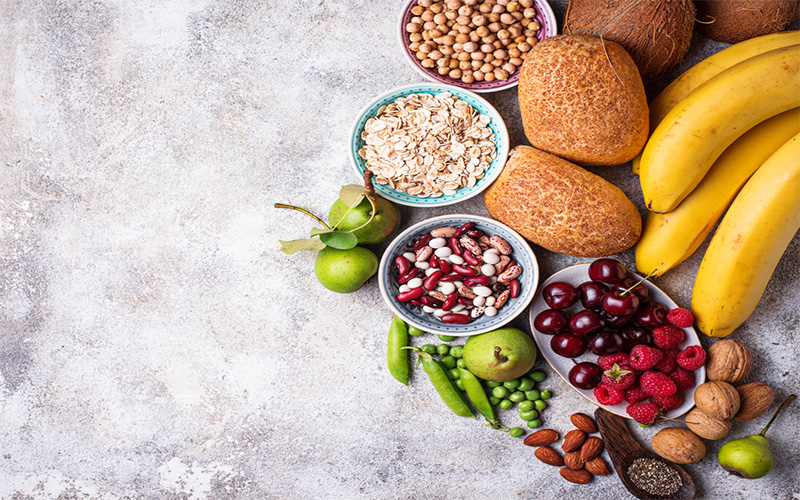
Fiber plays a significant role in weight loss and health. It helps to regulate the body’s use of sugars, helping to keep hunger and blood sugar in check. Smoothies can be an excellent source of fiber, particularly when whole fruits and vegetables are used. Including high-fiber ingredients like chia seeds or flaxseeds can also enhance the fiber content.
Avoiding Common Pitfalls
Caloric Overload:
To avoid making a smoothie too calorie-dense, be cautious with high-calorie ingredients. Measure nuts, seeds, and avocados instead of pouring them in freely.
Too Much Fruit:
While fruit is healthy, blending several servings into one smoothie is easy, leading to a high-calorie and high-sugar drink. Stick to portions you would realistically eat if the fruit was whole.
Underestimating Calories:
Remember that even though it’s a liquid, a smoothie can have as many calories as a solid meal. Always account for the calories in a smoothie as part of your daily intake.
Smoothies vs. Whole Foods
While smoothies can condense a lot of nutrition into a single serving, they don’t always provide the same satiety as whole foods. Chewing contributes to fullness, so consuming the same ingredients in solid form may keep you feeling fuller for longer.
Integration Into A Weight Loss Plan
Meal Replacement:
Smoothies can serve as a meal replacement, particularly for breakfast or lunch. However, it’s crucial to include a balanced protein, fat, and carbohydrates to make it a complete meal.
Snacks:
As snacks, smoothies should be kept to appropriate portions and not be as calorie-dense as meal-replacement smoothies.
Post-Workout:
Smoothies can be excellent post-workout nutrition to help repair and build muscle. Including a good protein source in a post-workout smoothie is important.
Research On Smoothies and Weight Loss
The scientific community has provided mixed results regarding the efficacy of smoothies for weight loss. Some studies suggest that liquid calories are less satiating than calories from solid foods, which could potentially lead to increased overall calorie consumption. Other research indicates that meal replacements, like smoothies, can be effectively incorporated into weight management programs.
Individual Factors
Weight loss and health are highly individualized. Metabolism, activity level, overall diet, genetics, and other lifestyle factors will influence how effective smoothies are for weight loss for any given individual.
Metabolic Rate:
A person with a higher metabolic rate may be able to include more calorie-dense smoothies in their diet without gaining weight.
Activity Level:
More active individuals require more calories to function and can include larger or more frequent smoothies as part of their overall nutritional plan.
Health Conditions:
Individuals with conditions such as diabetes may need to be particularly mindful of their smoothies’ carbohydrate content and glycemic load.
Conclusion
Smoothies can be a healthy and convenient addition to a diet and support weight loss goals if carefully crafted to fit into a balanced, calorie-controlled eating plan. They offer an excellent way to increase your intake of fruits, vegetables, and other nutritious ingredients. However, it is important to consider smoothies’ calorie content and nutritional balance and to consume them in moderation as part of a diverse diet. Like any food, the key is to enjoy smoothies in a way that is mindful and aligned with your health and wellness goals.
While smoothies can be a part of a weight loss strategy, they are not a magic bullet. Sustainable weight loss is typically best achieved through a comprehensive approach that includes a balanced diet, regular physical activity, and behavioral changes. It’s also advisable to consult with a healthcare provider or a registered dietitian before making significant changes to your diet, especially for weight loss.