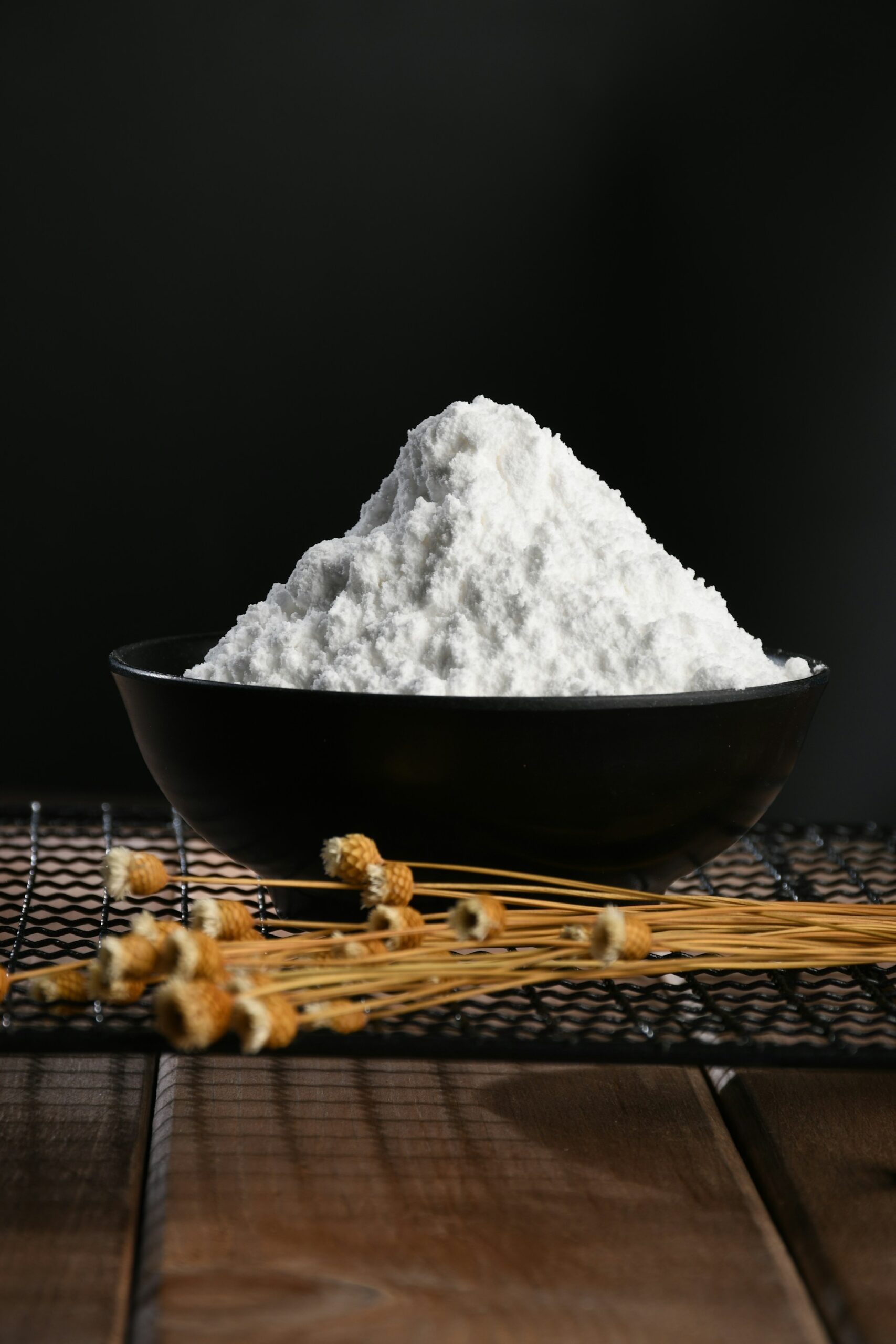

At the heart of most baking failures the flat cake, the metallic-tasting muffin, the cookie that spreads into a puddle is a leavening mistake. Not a wrong ratio of flour to butter. Not an oven that runs hot. The culprit is usually one of two small tins sitting on the same shelf, treated as interchangeable when they are anything but.
Baking powder and baking soda are not the same thing. They do different jobs, activate under different conditions, and substituting one for the other without adjusting the recipe is one of the most common reasons home bakers end up with something they didn’t intend. Understanding how each one works doesn’t require a chemistry degree. It requires knowing what each one actually is.
Table of Contents
What Baking Soda Actually Does

Baking soda is pure sodium bicarbonate. One ingredient. It’s a base, and on its own it does nothing useful in a batter, it just sits there. The moment it contacts an acid, though, a chemical reaction starts. Carbon dioxide gas bubbles form, the batter expands, and the structure sets around those bubbles during baking.

The acids that trigger this reaction are common: buttermilk, yogurt, brown sugar, honey, lemon juice, vinegar, cocoa powder (the natural, not Dutch-processed kind), and even molasses. Any recipe calling for baking soda is designed around one of these acidic ingredients. Remove the acid or swap it out, and the baking soda has nothing to react with. The result is a flat, dense bake with a faint soapy aftertaste from the unreacted sodium bicarbonate.
Speed matters here, too. The reaction between baking soda and acid begins the moment they touch liquid. That’s why recipes with baking soda often tell you to work quickly, get the batter into the oven, and stop fussing. The gas is already escaping.
What Baking Powder Does Instead
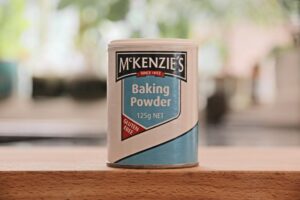
Baking powder is not a single ingredient. It’s a system: sodium bicarbonate plus a dry acid (usually cream of tartar or sodium aluminum sulfate, depending on the brand) plus cornstarch to absorb moisture and keep the two from reacting prematurely in the container.
Because the acid is already built in, baking powder doesn’t need an acidic ingredient in the recipe to work. That makes it the right choice for batters without buttermilk or yogurt, yellow cake, plain muffins, scones made with sweet cream.
Most baking powder sold today is double-acting. It releases gas twice: once when it hits liquid, and again when it hits heat. That second burst is what matters. The batter can sit a few minutes before going in the oven and still have lift left to give. And here’s the thing most labels don’t bother explaining: the “double-acting” label isn’t marketing copy.
It describes a real functional change from older single-acting formulas, the kind your grandmother’s 1953 Betty Crocker cookbook was written around. Modern recipes are more forgiving of resting time for exactly this reason.
Why You Can’t Simply Swap One for the Other
The substitution question comes up constantly. The short answer is: you can substitute in certain directions, with math, but never without consequences.
Baking powder contains only a fraction of actual sodium bicarbonate relative to its volume. To replace baking soda with baking powder, you’d need roughly three times as much powder, which floods the batter with other compounds and often produces a metallic, chemical flavor. Not ideal.
Going the other direction is trickier. If a recipe calls for baking powder but you only have baking soda, you need to introduce an acid to activate it. A small amount of cream of tartar or lemon juice can work, but the ratio has to be precise, and the texture of the finished product may still differ.
There’s a deeper issue, too. Some recipes use both. Baking soda neutralizes excess acid and drives browning. Baking powder provides reliable lift. They’re doing separate jobs. Pouring in more of one doesn’t cover for the absence of the other. It just makes more of one thing happen and none of the other.
The Browning Question

One role baking soda plays that baking powder cannot replicate: it promotes Maillard browning. The Maillard reaction, the set of chemical processes that turn the surface of bread golden, give cookies their crisp edges, and develop roasted flavor, runs faster in a slightly alkaline environment. Baking soda creates that environment.
This is why chocolate chip cookies made with baking soda brown more deeply at the edges than those made with baking powder alone. It’s why some bread recipes include a small amount of baking soda even when yeast is doing most of the leavening work. The soda isn’t there primarily to make the bread rise. It’s there to help the crust color.
Baking powder, with its built-in acid, keeps the batter closer to neutral. Less browning. Softer edges. That’s the right result for a pale, tender vanilla cake. It’s not the right result for a chewy, caramel-edged chocolate chip cookie.
One More Thing: They Both Go Stale

Neither baking soda nor baking powder lasts indefinitely, and both fail quietly. Baking soda absorbs odors and moisture from the air over time, which is why it’s used as a refrigerator deodorizer, useful there, less useful when it’s supposed to leaven your banana bread. Baking powder’s built-in acid and base can pre-react if moisture gets in, exhausting the leavening capacity before the batter ever does.
The test for baking powder: drop a teaspoon into hot water. If it doesn’t bubble actively, it’s spent. For baking soda: drop a teaspoon into a bit of vinegar. Same principle. If neither bubbles, neither will do much for your cake.
Most baking sources recommend replacing both every six months to a year. The container in the back of the pantry that’s been there since last Thanksgiving is probably not helping you.
The two tins look alike. The labels are easy to confuse at a glance. But the chemistry inside them runs in opposite directions, and every recipe was written around one or the other for a specific reason. Knowing which is which, and why, is what separates a reliable baker from one who blames the oven.
Sources
Background on composition, double-acting chemistry, and history of leavening agents
Chemical properties, acid-base reactions, and culinary applications of baking soda
Mechanism by which alkaline conditions accelerate surface browning in baked goods
This article was created with AI assistance and reviewed for clarity and accuracy.