

The USDA’s Thrifty Food Plan for a family of four comes to approximately $219 a week as of recent USDA estimates, roughly $1,050 a month. That’s not a suggestion. That’s the floor, assuming scratch cooking, store brands, and no food waste. Grocery prices have climbed roughly 25 to 30% cumulatively since early 2020, according to federal consumer price data, and the USDA projects continued grocery price increases through 2026, according to its most recent food price outlook. For most families, the gap between what they’re spending and what they should be spending comes down to a handful of Tuesday-night decisions.
The moderate-cost plan, also published by the USDA, runs roughly $1,200 to $1,500 a month for that same family of four, based on recent USDA estimates. A lot of families are living somewhere between those two numbers without a clear map of how to close the distance. The answer isn’t a spreadsheet. It’s a rotation.
Seven dinners. One week. Each built around the proteins, grains, and vegetables that anchor the Thrifty Plan’s logic: cheap per-serving cost, low waste, high saturation. None of them require more than 35 minutes or a culinary degree. And here’s the part most budget-cooking roundups skip entirely: technique matters more than ingredients when the ingredient list is short. A bad roux costs you a pot of mac and cheese. A bad sear on a chicken thigh costs you the whole bird’s potential. Getting these right is what separates a $4 dinner that everyone eats from a $4 dinner that sits.
Table of Contents
The Week at a Glance
| Dinner | Budget anchors | Approx. cost | Core technique |
|---|---|---|---|
| Cabbage Steaks with Garlic and Browned Butter | Green cabbage, lentils or a fried egg | Under $1 per serving | Roast at 425°F until the edges char and the cut face caramelizes |
| Tinned Fish Pasta | Sardines or mackerel, spaghetti, capers | Inexpensive pantry staple | Toss with the oil from the can; 20 minutes start to finish |
| Sheet-Pan Chicken Thighs with Root Vegetables | Bone-in chicken thighs, root vegetables | A fraction of the cost per pound | Roast at 400°F for 35 to 40 minutes; pull at 165°F, rest 3 minutes |
| One-Pot White Bean and Tomato Pasta | Dried white beans, canned tomatoes, pasta | A few dollars for four | Beans and pasta finish together in the same liquid |
| Air Fryer Eggs and Hash | Potatoes, black beans, eggs | Under $5 | Air fry potatoes at 400°F for 18 minutes; add eggs for the last 5 |
| Black Bean Tacos with Cabbage Slaw | Black beans, cabbage, lime, tortillas | Under $1 per serving | Blister the beans in a dry skillet; wilt the slaw with lime |
| Scrambled Eggs with Whatever’s Left | Eggs, leftover vegetables | Almost nothing | Low heat; pull the eggs before they look fully set |
Cabbage Steaks with Garlic and Browned Butter
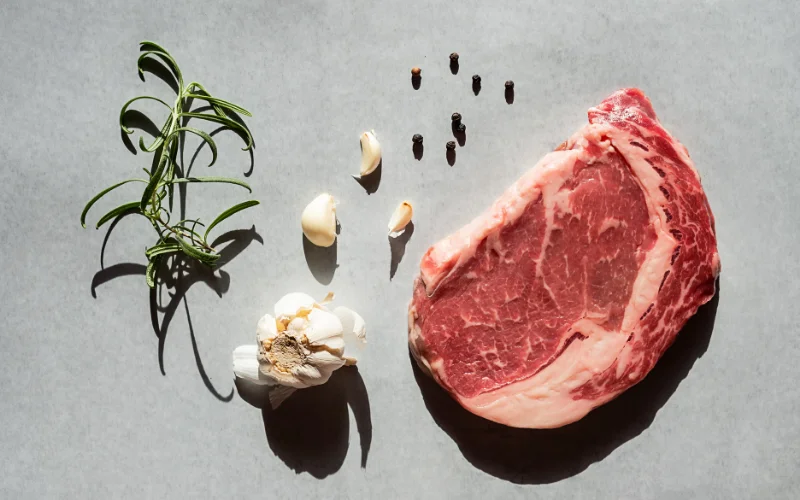
A head of green cabbage runs under $2 at most grocery stores. Halved through the core, sliced into inch-thick planks, and roasted at 425°F until the edges char and the cut face caramelizes, it becomes something worth eating. The mechanism here is Maillard reaction, the same browning chemistry that makes a seared steak appealing, applied to a vegetable most people boil into submission. Finish with browned butter and a pinch of red pepper flakes. Serve alongside cooked lentils or a fried egg for protein. Cost per serving for a family of four: well under a dollar.

Tinned Fish Pasta
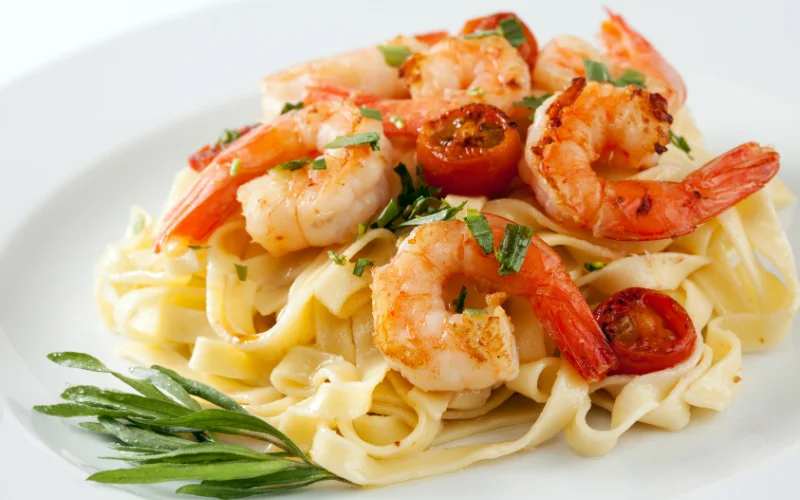
Sardines and mackerel occupy a strange position in the American pantry, underused, inexpensive, and genuinely good when handled correctly. A can of sardines in olive oil tossed with spaghetti, garlic, lemon zest, and capers takes 20 minutes and delivers omega-3s alongside a sauce that actually has depth. The fat from the can is the fat for the pan. Nothing goes to waste. The USDA estimates the average American family throws away an estimated $1,000 to $1,500 worth of food per year, according to food waste research. Tinned fish has a two-to-three year shelf life and zero spoilage risk. That alone makes it a Thrifty Plan staple.
Sheet-Pan Chicken Thighs with Root Vegetables
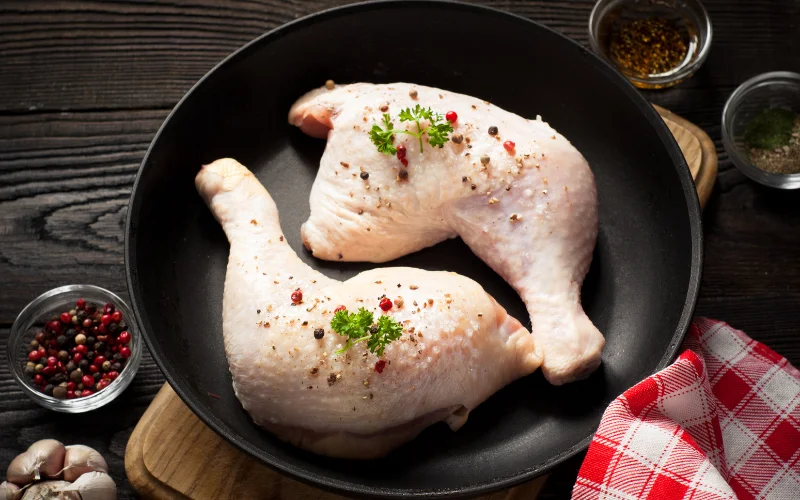
Bone-in, skin-on chicken thighs are the most forgiving protein in the grocery store. They tolerate high heat, they’re harder to overcook than breasts, and they cost a fraction of the price per pound. At 400°F for 35 to 40 minutes on a sheet pan with whatever root vegetables are cheapest, turnips, carrots, parsnips, the skin renders, the vegetables roast in the drippings, and the whole thing comes out in one pan. Salt, pepper, and a little smoked paprika. That’s it. Carryover cooking will finish the work after it comes out of the oven. Pull it at an internal temperature of 165°F and rest it three minutes before serving.
One-Pot White Bean and Tomato Pasta
Dried white beans soaked overnight cost almost nothing per serving and contain more protein per dollar than most cuts of meat. Combined with canned whole tomatoes, crushed by hand directly into the pot, garlic, a parmesan rind if one is on hand, and dry pasta added in the last 10 minutes, the beans and pasta finish together in the same liquid. The starch from the pasta thickens the broth. No separate pot. No draining. The pasta absorbs the tomato as it cooks, which is the move that separates a thin brothy soup from a cohesive dinner. This is essentially a stripped-down pasta e fagioli, and it feeds four for just a few dollars in ingredients.
Air Fryer Eggs and Hash
Air fryers are not a gimmick for this application. Diced potatoes at 400°F for 18 minutes, shaken once at the halfway mark, come out with a crust that a stovetop struggles to replicate without constant attention. Add canned black beans in the last 4 minutes to warm through. Crack eggs directly into small ramekins and set them in the basket for a final 5 minutes, or fry them separately in a skillet. The whole meal comes together for under $5 and reads as dinner rather than breakfast when seasoned properly, cumin, garlic powder, a little hot sauce on the table. Buying store-brand products instead of name brands saves approximately 25% on average, which on a week of groceries is the difference between hitting the Thrifty Plan number and missing it.
Black Bean Tacos with Cabbage Slaw
Two cans of black beans, half a head of cabbage, one lime, and whatever tortillas are on sale. The beans go into a dry skillet over medium-high heat until they blister slightly on the outside, this takes about four minutes and makes them taste less like canned beans. The slaw is cabbage shredded thin, tossed with lime juice, salt, and a little sugar to wilt it slightly. The acid does the work a creamy dressing would otherwise do, and it costs almost nothing. Serve in warmed corn tortillas. Cost per serving is well under a dollar. This is the meal that converts skeptics. Not because it’s fancy. Because it’s actually good.
Scrambled Eggs with Whatever’s Left
Eggs remain one of the most affordable complete proteins available. The end-of-week scramble, whatever vegetables are left in the crisper drawer, cooked down in butter first, then eggs added over low heat and pulled slowly with a spatula, is less a recipe than a technique. The key is low heat and patience. Eggs scrambled over high heat turn rubbery. Over low heat, pulled before they look fully set, they finish in the residual warmth of the pan and stay soft. Add cheese if there’s any left. Serve with toast or leftover rice. This dinner costs almost nothing and wastes nothing.
The Thrifty Food Plan doesn’t assume you’re a chef. It assumes you cook. That distinction is worth sitting with, because the families who hit the $219-a-week number aren’t doing anything exotic, they’re repeating a short rotation of high-yield, low-waste meals and buying store brands when the name-brand version offers nothing a label can’t explain. Switching to store brands saves roughly 20 to 30% on average, according to consumer pricing research. On a $219 weekly budget, that’s $54 back in the cart.
None of these seven dinners require more than a cast iron pan, a sheet pan, and a Dutch oven. Most require two of the three. That’s the whole equipment list for cooking on the Thrifty Plan, not because equipment doesn’t matter, but because constraint is what forces technique. And technique, once learned, is the only thing that doesn’t go up in price.
Sources
- USDA Economic Research Service. Food Plans: Cost of Food, official USDA source for Thrifty and Moderate-Cost Food Plan cost figures
- USDA Economic Research Service. Food Price Outlook: Summary Findings, source for 2026 grocery price projections
- U.S. Bureau of Labor Statistics. Consumer Price Index, source for cumulative grocery (food-at-home) price increases since 2020
- USDA. Food Loss and Waste, source for the average family-of-four food waste figure
This article was created with AI assistance and reviewed for clarity and accuracy.