

At 80 percent fat by weight, butter is not a simple ingredient. It’s a system. The fat carries flavor, the water creates steam, and whatever salt is in there, if any, does something the recipe may or may not have accounted for. That last variable is where bakers get into trouble.
The salted-versus-unsalted question comes up constantly, usually from someone who grabbed the wrong stick at the grocery store and is now standing at the counter wondering if it matters. Sometimes it doesn’t. Sometimes it does, noticeably. The answer depends on what you’re making, how much butter the recipe calls for, and how much control you want over the final flavor.
Here’s the thing most home bakers don’t think about: salt content in salted butter is not standardized. Depending on the brand, salted butter contains somewhere between 1.5 and 2.5 percent salt by weight. That sounds like a narrow window until you do the math. A recipe using two sticks of butter, one cup, or roughly 227 grams, could be getting anywhere from about half a teaspoon of salt to nearly a full teaspoon just from the butter, before any additional salt in the recipe. That’s a real variable. And unlike fat content, you can’t see it, taste it in advance, or predict it without knowing the specific brand in front of you.
Table of Contents
Why Recipes Default to Unsalted
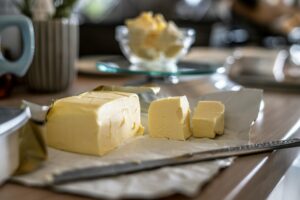

Professional baking recipes specify unsalted butter almost universally. The reason is control. When a pastry chef or recipe developer writes a formula, they want to know exactly how much salt is going in. Unsalted butter has a defined fat-to-water ratio. The salt variable is zero. Whatever salt the recipe needs, the baker adds deliberately, in a measured amount, at the right moment, to do the specific work salt is supposed to do.
Salt is not just a flavor enhancer in baking. It suppresses bitterness, strengthens gluten structure, and moderates fermentation in yeasted doughs. When you add it intentionally, you control where it goes and what it does. When it comes bundled inside the butter, you’re getting it distributed throughout the fat, which is a different mechanism than salt added to flour or dissolved into liquid. The effect is subtle, but in a delicate recipe- a croissant, a shortbread, a fine pound cake- subtlety matters.
There’s also a freshness argument. Unsalted butter tends to be fresher at the point of purchase. Salt acts as a preservative, which means salted butter has a longer shelf life. Retailers know this. Unsalted butter moves through inventory faster because bakers specifically seek it out, but it also means unsalted butter on a shelf has typically been there for less time. In a high-fat ingredient where rancidity is the enemy, that’s not a trivial point.
When Salted Butter Is Perfectly Fine
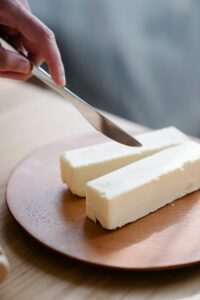
source: Pexels
That said, the rule against salted butter is not a law. It’s a preference, and a contextual one.
For most everyday baking, the difference is smaller than food writing has made it seem. Chocolate chip cookies made with salted butter taste fine. Banana bread doesn’t collapse. A simple coffee cake comes out of the oven looking and tasting like a coffee cake. The salt in salted butter is present, but it’s distributed through the fat in a way that rarely produces an obviously over-salted result in a recipe designed with some salt tolerance built in.
The cases where salted butter causes real problems are specific. Very delicate, salt-sensitive preparations, classic shortbread, certain French butter cakes, and any recipe where butter flavor is the dominant note rather than a supporting one will taste different. Not wrong, necessarily, but different in ways that matter if you’re trying to replicate a precise result. Yeasted breads where salt timing is critical can also behave unpredictably when an unknown quantity of salt arrives hidden inside the fat.
The other genuine complication: if you’re using salted butter, you need to reduce the added salt in the recipe. The standard adjustment is to reduce the recipe’s called-for salt by about one-quarter teaspoon of salt per half cup of salted butter is a commonly cited starting point for adjustment, though the exact amount will vary by brand. Check the specific butter’s sodium content and adjust to taste. That math is manageable but requires knowing the brand’s approximate salt level, which you often don’t. So the adjustment is itself an approximation. Good bakers can work with approximations. Bakers who are still learning tend to produce more consistent results when the variables are locked down.
The Salt-on-Top Move, and What It Actually Does
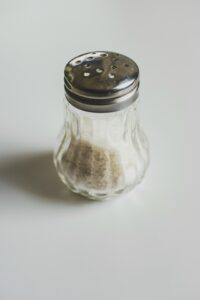
There’s a third category worth separating out: finishing salt. The trend of flaking sea salt across the top of brownies, salted caramel anything, and chocolate chip cookies before they go into the oven is not the same question as salted versus unsalted butter in the dough or batter. That’s a textural and visual choice applied on the surface. It works regardless of which butter is in the recipe. Finishing salt sits on top of a baked good and dissolves unevenly, creating concentrated pockets of salt flavor that contrast with sweetness in a way that’s perceptually different from salt baked into the crumb.
This distinction matters because some home bakers conflate the two. Using salted butter and adding finishing salt can push a cookie into uncomfortably salty territory. Using unsalted butter with a measured amount of salt in the dough, then finishing with flaked salt on top, gives you control at both stages.
The Practical Answer

If you bake regularly, keeping unsalted butter on hand is the right call. It gives you a clean slate for any recipe. You add the salt you want, in the form you want, at the moment you want. Most recipes are calibrated for it.
If you only have salted butter and the recipe needs butter now, use it. Reduce the recipe’s added salt by roughly a quarter teaspoon per half cup of butter, taste the batter or dough where food-safe to do so, and understand that the result may taste very slightly different from the intended version. In most home-baking scenarios, that difference is within the range of acceptable.
The bakers who get into trouble are the ones who use salted butter without adjusting the salt, in a recipe that calls for a full teaspoon of added salt. That’s where a finished cake or batch of cookies can taste genuinely over-seasoned. Not ruined. But noticeably off.
The rule exists for a reason. So does knowing when to bend it.
Sources
Technique-focused explainer on butter salt content and baking applications
Industry-standard baking authority on butter selection and salt adjustment guidelines
This article was created with AI assistance and reviewed for clarity and accuracy.