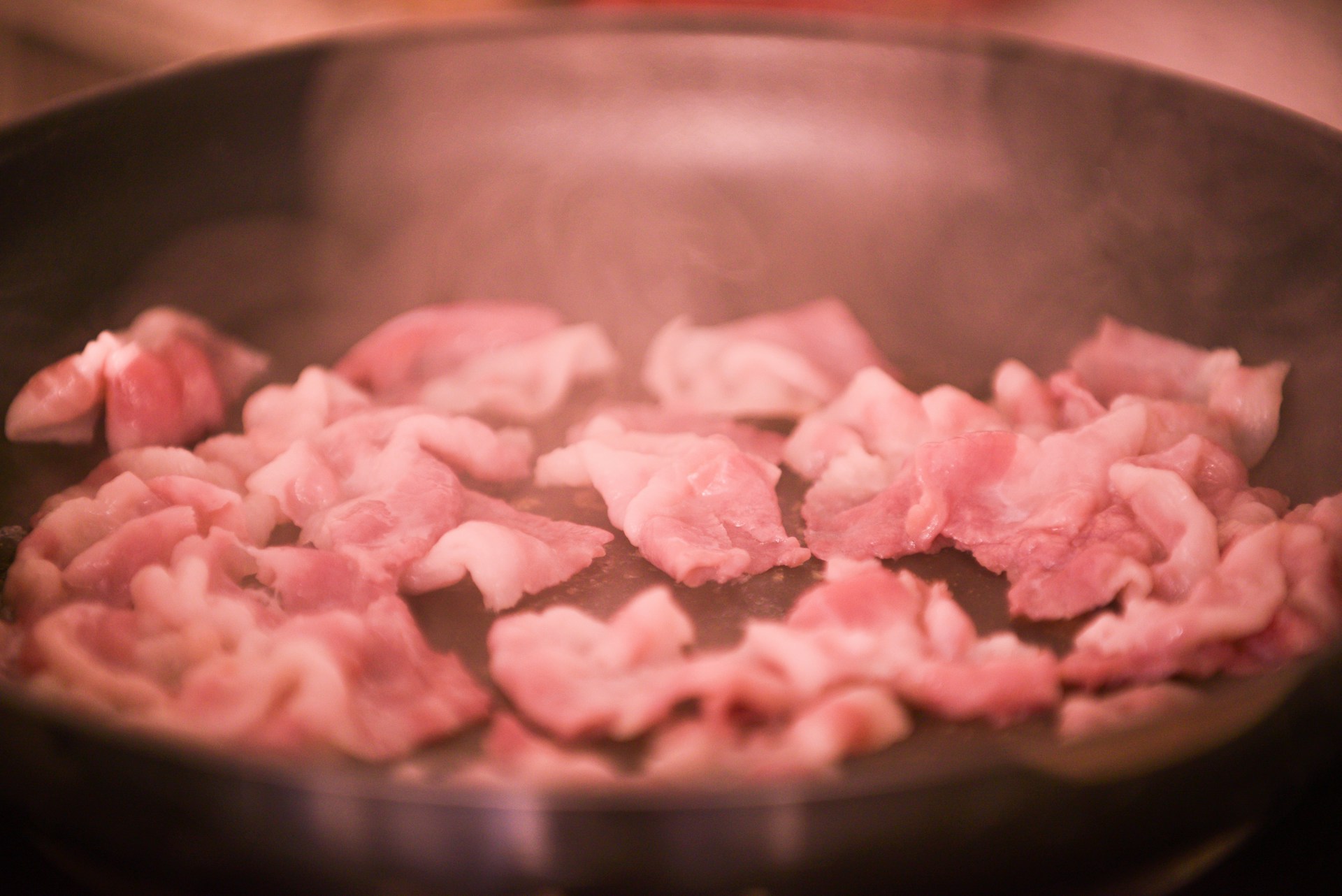

At 425°F, something interesting happens to chicken thighs. The fat under the skin begins to render. The surface starts to brown. And if everything else is right the pan isn’t crowded, the vegetables are cut to the right size, the oven isn’t fighting a cold pan dinner comes together in under thirty minutes without anyone standing over the stove.
That’s the promise of the one-pan weeknight dinner. And it’s real. But the gap between the promise and what actually lands on the table most nights is a technique problem, not a time problem.
Here’s where most cooks run into trouble. They treat the sheet pan or skillet as a passive container, a place to put things, rather than a tool with its own logic. The pan has a temperature. The food has a moisture content. The oven has hot spots. Ignore any one of those variables, and you get steamed chicken instead of roasted chicken, and vegetables that are simultaneously undercooked and waterlogged. The fix isn’t a better recipe. It’s understanding what the pan is doing.
Table of Contents
Start With a Hot Pan and Dry Protein
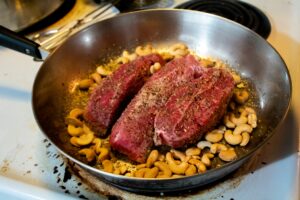

Moisture is the enemy of browning. This is the Maillard reaction at work, the chemical process that turns the surface of browned meat golden and complex. It requires surface temperatures above 280°F, and water prevents you from getting there because water boils at 212°F. As long as moisture is escaping the surface of your chicken, the temperature at that surface cannot climb high enough to brown.
So before anything goes into the pan: pat the chicken dry with paper towels. Not a quick swipe. A real, thorough dry. Then let it sit uncovered in the refrigerator for at least twenty minutes, or up to overnight if you have time. The surface dries further. When it hits the pan, browning starts almost immediately.
The pan itself matters just as much. A cold sheet pan loaded with cold chicken and raw vegetables is going to spend the first ten minutes of oven time just warming up. Preheat the pan in the oven while the oven comes to temperature. When the food hits it, you get an immediate sear on the bottom surface, crispier skin, better texture, less steam.
Cut Vegetables to Match the Protein
Here’s the thing. Most recipes hand you a list of vegetables and a single cook time, and then act surprised when half of them are wrong. Dense root vegetables, carrots, potatoes, parsnips, need 10 to 15 more minutes than softer ones like zucchini or cherry tomatoes. Throw everything on at once, and you’re gambling.
You’ll pull the pan and find the chicken done, the carrots still hard in the center, and the asparagus somewhere between limp and gone. Sequence it instead. Hard vegetables go in first. Soft ones follow in the last ten minutes. Cherry tomatoes need barely eight minutes before they split and sweeten. Learn the rough timing for the four or five vegetables you actually cook with, and you stop needing a recipe to tell you what order to do things.
Cut size matters too. Aim for pieces that will be done in the same window as your protein. Chicken thighs at 425°F take about 25 to 30 minutes to reach an internal temperature of 165°F. A one-inch cube of potato takes roughly the same time. A half-inch cube takes less. The math is simple once you think about it that way.
The Crowding Problem, and Why It’s So Common
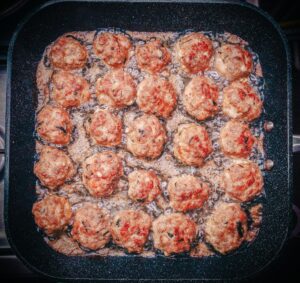
A crowded pan steams. A spaced pan roasts. This is non-negotiable physics, and it’s the single most common reason one-pan dinners disappoint.
When food is packed tightly together, the moisture released during cooking has nowhere to go. It pools between pieces, raises the humidity in the immediate vicinity, and keeps the surface temperature low. The result looks like roasted chicken but tastes like braised chicken: no crust, pale skin, soft vegetables with no caramelization.
The fix is space. Each piece of chicken needs room around it. Each vegetable should have at least a little gap from its neighbors. If the pan looks sparse, that’s right. If it looks full, use two pans. A second sheet pan is cheaper than ruining dinner.
This is also why oil matters. A thin, even coat of oil on the vegetables helps conduct heat to the surface and encourages browning. Too much oil and you’re shallow-frying. Too little and things stick and dry out. The right amount coats the vegetable without pooling in the pan; about one tablespoon of oil per pound of vegetables is a workable starting point.
The Last Ten Minutes Are Where It Comes Together
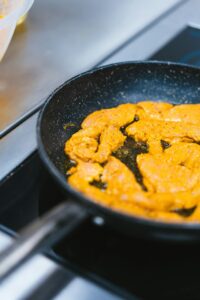
Most of the work in a one-pan dinner happens in the first twenty minutes. The protein cooks. The vegetables soften. The pan gets hot enough to start browning the bottom surfaces.
The last ten minutes are for finishing. This is when you check the internal temperature of the chicken; an instant-read thermometer is the only reliable way to know, and when you decide whether anything needs more time. It’s also when you add anything that cooks fast: cherry tomatoes, baby spinach, a handful of olives, a few lemon slices.
A quick turn under the broiler in the final two minutes will crisp skin that hasn’t browned enough. Thirty seconds is enough to go from pale to golden. Watch it. The line between golden and burnt at broiler temperatures is narrower than it seems, and there’s no recovering from the second one.
Let the chicken rest for five minutes before cutting. Carryover cooking will bring the internal temperature up another three to five degrees, and resting lets the juices redistribute. Cut into it immediately, and those juices run out onto the pan. Wait, and they stay in the meat.
Building the Formula
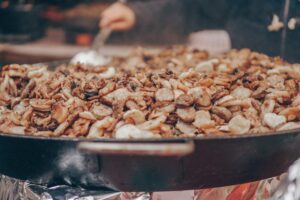
Once the technique is internalized, the formula becomes flexible. One protein. Two or three vegetables with compatible cook times. An oil, a seasoning, a finishing acid (lemon juice, a splash of vinegar, a few capers) added at the end. That structure works for nearly any combination of ingredients in any season.
Bone-in chicken thighs are the most forgiving cut for this method. They have enough fat to stay moist even if the timing slips a little, and the skin crisps reliably at high heat. Boneless thighs work too, but they cook faster and have less margin for error. Chicken breasts are possible but require more attention. They dry out quickly past 165°F, and there’s almost no fat to protect them.
The one-pan dinner isn’t a recipe. It’s a repeatable system. Get the temperature right, get the pan hot, keep it uncrowded, sequence the vegetables, and finish with acid. Do those five things and thirty-minute weeknight chicken becomes something you stop following a recipe for at all, which is, honestly, the whole point.
Sources
Background on Maillard reaction temperatures and roasting technique fundamentals
Safe internal temperature for poultry
This article was created with AI assistance and reviewed for clarity and accuracy.