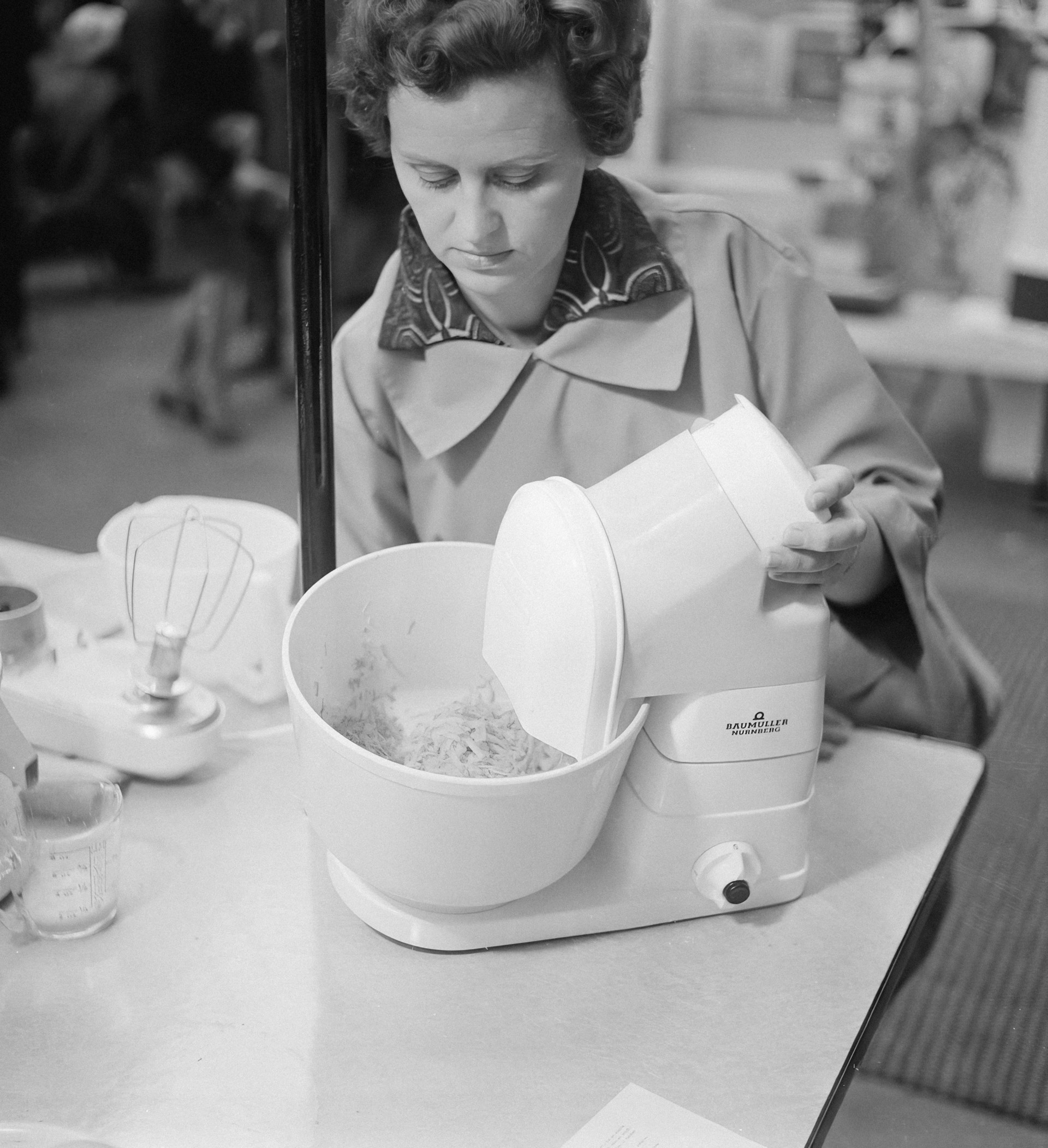

The stand mixer is a beautiful appliance. It also weighs 25 pounds, takes up half the counter, and requires disassembling three parts to wash. For a Tuesday-night dessert craving, that is a lot of machine to deploy.
Which is why one-bowl, no-mixer desserts have quietly become the most practical category in home baking. Not because they cut corners on flavor they don’t. But because they work with the chemistry of simpler batters: recipes where the fat is melted rather than creamed, where gluten is kept intentionally short, where a whisk and a rubber spatula do everything a $400 appliance would. The result is a different kind of bake. Often denser, fudgier, more direct.
Here’s the thing most baking recipes don’t say out loud: creaming butter and sugar together is about incorporating air. You do it to make cakes light. But not every dessert wants to be light. Brownies, for instance, are actively better when dense. Olive oil cakes are meant to be moist and close-crumbed. Skillet cookies are supposed to have that slight underbaked pull in the center. For all of these, a mixer would work against you.
Table of Contents
The Melted-Butter Rule

Switch from softened to melted butter. That’s it. That’s the unlock for most one-bowl desserts, and it costs you nothing except thirty seconds at the stove. Melted butter combines instantly with sugar, eggs, and vanilla. No waiting for butter to reach room temperature. No scraping down mixer bowls. No debating whether your butter is too cold or too warm. Melt it, let it sit two minutes so it doesn’t cook the eggs, and stir. You’re already halfway there.
Brownies are the clearest example. The fudgiest brownies in any good recipe start with melted butter or melted chocolate, sometimes both. The Maillard reaction does its work in the oven, giving you that shiny, crackled top without any mechanical mixing at all. A wooden spoon and some elbow grease for thirty seconds handles the whole job.
The same principle extends to blondies, chocolate chip skillet cookies, and most bar cookies. Any recipe calling for softened butter that you’re trying to adapt into a one-bowl format: swap melted butter, reduce the mixing, expect a slightly chewier result. That’s not a compromise. That’s often the goal.
What a Whisk Can Do That a Mixer Can’t
A whisk introduces air manually, but more importantly, it emulsifies. For olive oil cakes, which have become a genuine weeknight staple in the past decade, the whisk does the real structural work. Olive oil doesn’t cream, so there’s no stand mixer version of this cake. You whisk the eggs and sugar until slightly pale, pour in the oil in a slow stream, add citrus zest and flour, and that’s it. The batter is thin, almost pourable. Thirty-five minutes in the oven and you have something that tastes richer than a butter cake, stays moist for three days, and required exactly one bowl and one whisk.
The same logic applies to French-style chocolate mousse made with whipped cream folded in by hand, to flourless chocolate cake, to financiers. These aren’t simplified recipes. They’re recipes built for a different fat and a different technique, one that doesn’t require a machine.
The Categories That Work Best
Not every dessert format converts cleanly to a no-mixer approach. Chiffon cakes and angel food cakes exist because of mechanical egg-white beating, those stay in the mixer’s territory. Very light, tall layer cakes depend on aeration from the creaming method, so a hand whisk can’t fully replicate them. That’s a real constraint, worth knowing.
But the categories that thrive in one-bowl, no-equipment formats are wide:
Fudgy bar cookies, brownies, blondies, lemon bars, cheesecake bars with a press-in crust, all assemble in a single bowl. The crust gets pressed in with your fingers. The filling gets stirred by hand. One pan, one oven, done.
Skillet desserts, a giant chocolate chip cookie baked in a cast iron pan, a brownie skillet, a pizookie, follow the same melted-butter logic and cook in the vessel you mixed in, if you’re organized about it.
Pudding cakes, where the batter separates in the oven into a cakey top and a saucy bottom, need nothing more than a whisk and a baking dish. They look like you did something technically impressive. You didn’t.
Dump cakes, which deserve more respect than they typically get, are legitimately one-bowl or even zero-bowl: fruit filling, dry cake mix, melted butter poured over the top. The oven does the work. Texturally, they land somewhere between a cobbler and a crumble, and the cleanup is three minutes.
No-bake desserts, chocolate pots de crème made from hot cream poured over chopped chocolate, icebox cakes assembled with layers of whipped cream and cookies, simple trifles, don’t even require the oven. These are the true weeknight solution when it’s 8 p.m. and you want something that feels deliberate.
On Technique and the Overmixing Problem
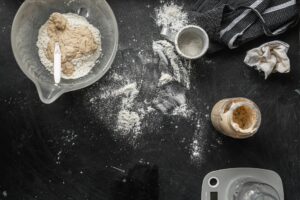
One-bowl baking has one real failure mode. Overmixing. When you cream butter and sugar in a stand mixer, the fat coats the flour and slows gluten down. But stir a melted-butter batter by hand and it’s easy to keep going past the point where everything has just come together. Overdeveloped gluten turns a brownie tough and cakey. That defeats the whole point.
“Stir until just combined” is not hedging. It’s the whole technique. Stop when you stop seeing dry flour. The batter will look slightly unfinished. That’s correct. Thirty more seconds of stirring costs you the texture you were going for.
Why These Recipes Travel Well
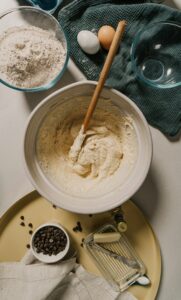
One-bowl recipes are easier to scale, easier to teach, and easier to hand off to a kid who wants to make dessert for the first time. They’re also easier to adapt. Swap the flour for a one-to-one gluten-free blend and most one-bowl bar cookies work without any other changes. The structure comes from eggs and fat, not from an aerated butter-and-sugar base. Mixer-dependent recipes don’t transfer that cleanly.
And here’s the other thing. One-bowl recipes forgive you. If your oven runs hot by 25 degrees, a brownie handles it better than a layer cake. If you measured the flour a little heavy, a blondie absorbs it. These are recipes built for real kitchens with real distractions, which is exactly what weeknight baking requires.
A stand mixer is worth having. For yeasted breads, for Swiss meringue buttercream, for pasta dough, absolutely. But for the question of what to make on a weeknight when you want something sweet and you don’t want to spend forty minutes on it, the answer is almost always in a bowl you already own and a whisk that fits in your dishwasher.
The dessert that comes out is not a compromise. It’s a different kind of bake. And more often than not, it’s the one people ask for again.
This article was created with AI assistance and reviewed for clarity and accuracy.