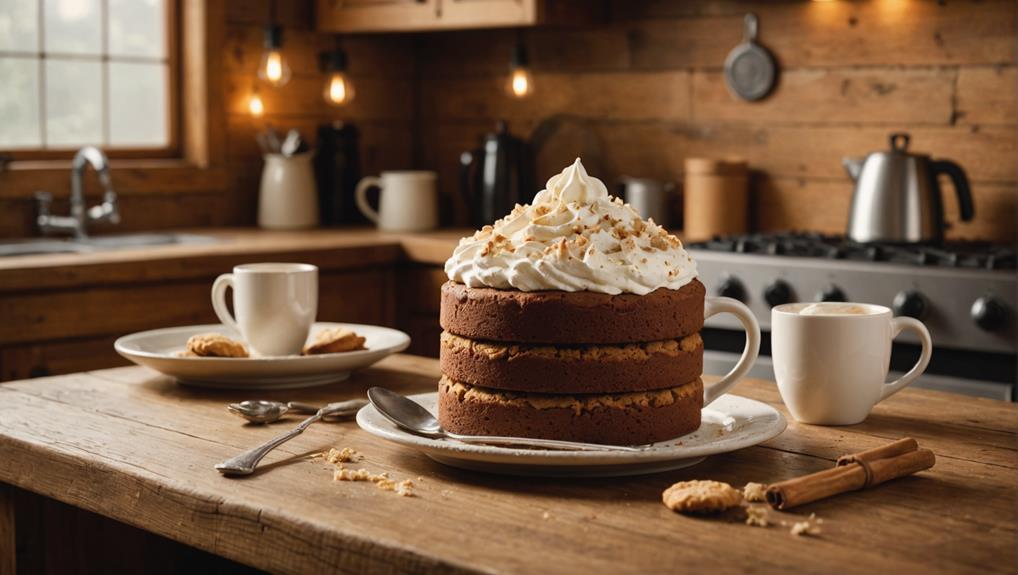
You’re wondering if gluten-free cookies can work for a mug cake; the answer might surprise you. Using gluten-free cookies as a base offers a simple solution and a way to infuse your mug cake with unique flavors and textures. You might wonder how different cookie types, like almond flour or oatmeal, can change your dessert game. But before you start crumbling those cookies into your mug, you should know a few tips and tricks to guarantee your creation is nothing short of delightful. So, what’s the secret ingredient?

Table of Contents
Key Takeaways
- Yes, gluten-free cookies can be used to make a mug cake.
- Crumble gluten-free cookies into the batter for added texture and flavor.
- Use gluten-free flour to complement the cookie’s flavor profile.
- Adjust sweetness according to the cookie’s inherent sweetness.
- Experiment with different gluten-free cookies for unique mug cake variations.
Benefits of Using Gluten-Free Cookies

Using gluten-free cookies in your mug cake offers several benefits, especially if you have gluten sensitivities or celiac disease. These cookies ensure you can indulge in a delightful dessert without worrying about gluten-related issues. When you incorporate them into your mug cake recipe, you’re not just sticking to your dietary restrictions but also enhancing the taste experience.
Gluten-free cookies contribute a unique flavor profile that can elevate traditional recipes, making them special and delicious.
Adapting recipes to meet your dietary needs doesn’t mean sacrificing flavor or convenience. By using gluten-free cookies, you’re making baking a mug cake hassle-free and satisfying. You’ll find that these cookies blend seamlessly, providing a texture and taste that rivals their gluten-containing counterparts.
Gluten-free cookies make it easy to enjoy a homemade treat without the extensive preparation time associated with conventional baking.
Whether following a gluten-free diet by necessity or choice, incorporating gluten-free cookies in your mug cake recipe is a convenient way to enjoy a quick, delicious dessert. It’s about savoring your favorite treats without compromising on taste or convenience.

Required Ingredients
Gather essential ingredients like milk, baking powder, and an egg to make a gluten-free cookie mug cake.
Next, choose your gluten-free cookies; options like almond flour cookies or oatmeal-based versions can add unique flavors and textures.
Essential Mug Cake Ingredients
A basic mug cake recipe involves just a handful of essential ingredients to whip up a quick and satisfying treat. Your core components will be flour, sugar, baking powder, milk, and oil. If you aim for a gluten-free version, substitute gluten-free flour for regular flour. This small adjustment lets you enjoy a delightful mug cake without gluten concerns. Incorporating gluten-free cookies is another creative twist; crumble them into the batter to enhance texture and taste.
Mix the dry ingredients: flour (or gluten-free flour), sugar, and baking powder. The sugar adds sweetness, while the baking powder ensures your mug cake rises beautifully.
Next, blend in the milk and oil. These liquids create a smooth batter and contribute to the cake’s moistness.
If you’re using gluten-free cookies, their flavor can significantly impact the final taste of your mug cake. Feel free to experiment with different cookie varieties to discover unique and delicious combinations. Remember, the texture and taste might vary slightly due to the gluten-free elements, but that’s part of the fun! Ultimately, your mug cake will be a personalized treat ready in minutes.
Gluten-Free Cookie Options
When selecting gluten-free cookies for your mug cake, you’ll find plenty of options to suit your taste. Start by choosing gluten-free cookies with a flavor profile similar to the original ones in your recipe. This will help maintain the intended taste of your mug cake while keeping it gluten-free. Remember, not all gluten-free cookies are created equal, so you’ll want to check their texture and ingredients to confirm they’re suitable for baking.
A key step in preparing your mug cake is crumbling gluten-free cookies. You can use these crumbled cookies as a base or topping to add a delightful crunch.
Don’t hesitate to experiment with different types of gluten-free cookies to discover unique flavors and textures. Almond flour cookies can add a nutty taste, while chocolate chip gluten-free cookies can give your mug cake a classic, sweet touch.
Step-by-Step Preparation
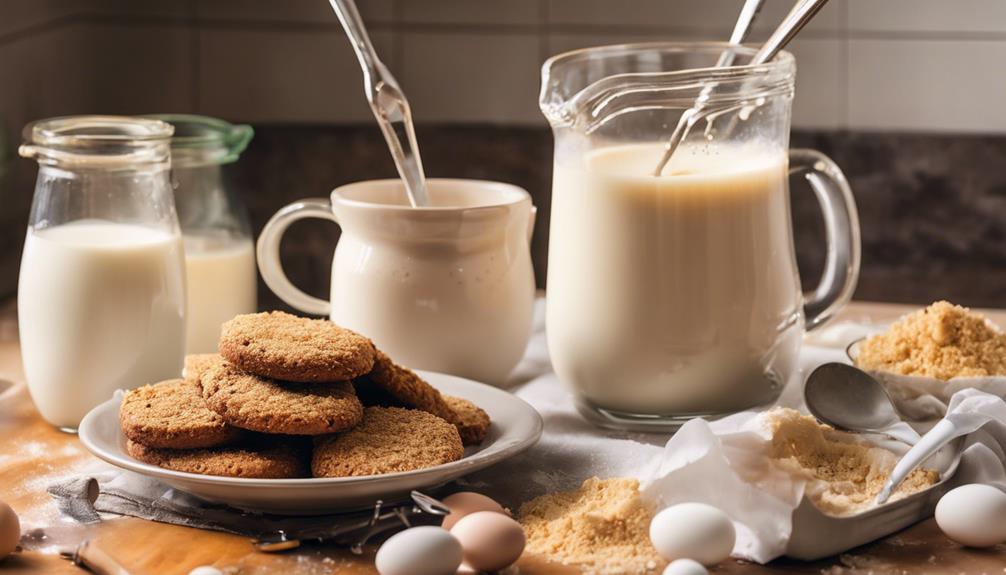
Have you ever wondered how to transform gluten-free cookies into a delightful mug cake? The process is simple, and you can create a unique, delicious treat with just a few steps. Start by gathering your ingredients: gluten-free cookies, flour, sugar, and an egg. Feel free to experiment with different cookie flavors to find your favorite combination of sweetness and texture.
Here’s a step-by-step guide to get you started:
- Crumble the Cookies: Crumble your gluten-free cookies into small pieces. The finer the crumbs, the smoother your mug cake will be, but leave some chunks if you like a bit of texture.
- Mix Ingredients: In a microwave-safe mug, combine the cookie crumbs with the flour, sugar, and egg. Stir the mixture until it’s well-blended. The cookie crumbs will add a unique flavor to your cake, so adjust the sweetness and texture based on your chosen cookie type.
- Microwave: Cook the mixture in the microwave for about a minute. Keep an eye on it, as cooking times can vary. Your mug cake should rise and become firm but still moist.
Enjoy experimenting with various gluten-free cookies to create the ultimate mug cake experience!
Tips for Best Results
[TEXT]:When selecting gluten-free flour, choose one that complements the flavor of your cookies for a harmonious mug cake.
Mix your ingredients thoroughly to guarantee a smooth batter, preventing any dry spots or clumps.
Don’t be afraid to adjust your technique based on the texture differences between various gluten-free flours.
Gluten-Free Flour Selection
Selecting the right gluten-free flour for your mug cake is crucial for achieving the desired taste and texture. Start with a gluten-free 1:1 flour blend for the best results, as it closely mimics traditional flour, guaranteeing your mug cake rises well and has a pleasant texture. Almond flour is a great alternative if you’re aiming for a nutty flavor. Remember, though, it might alter the cake’s texture slightly. Coconut flour is another option, but be careful—it absorbs more liquid, so you must adjust your liquid ingredients to maintain batter consistency.
Experimentation can lead to delightful discoveries:
- Rice Flour: Opt for rice flour for a neutral taste that won’t overshadow other flavors.
- Oat Flour: This flour offers a subtle sweetness and can add to the cake’s richness, but check the batter’s consistency for the best rise.
- Combination: Mixing different flours, such as almond and rice flour, can create unique textures and flavors, so don’t hesitate to experiment.
Monitor the batter consistency to guarantee your mug cake rises and sets properly. You’ll find the perfect gluten-free flour for your next mug cake masterpiece by exploring these options.
Ingredient Mixing Techniques
Blending your ingredients properly is the cornerstone of a successful gluten-free mug cake. Start by crushing your gluten-free cookies into small pieces or crumbs. This step is essential as it helps evenly distribute the flavor and texture throughout the batter. Before you proceed, verify that the cookies you’re using are suitable for baking. Check their texture and ingredients to ensure they blend well with the other components.
Once you’ve prepared your cookie crumbs, consider the sugar content of your mug cake. If the gluten-free cookies are already sweetened, you might need to adjust the sugar in your recipe to avoid an overly sweet dessert. This balance will enhance the overall flavor without overwhelming your taste buds.
Don’t hesitate to experiment with different types of gluten-free cookies to create unique mug cake variations. Chocolate chip or oatmeal gluten-free cookies can introduce exciting new flavors and textures.
Flavor Variations

Exploration of flavor variations in mug cakes can lead to delightful discoveries, especially when incorporating gluten-free cookies. You can transform a simple mug cake into a delicious treat by crumbling gluten-free cookies like chocolate chip, oatmeal, or almond into the batter. These cookies cater to dietary restrictions and enhance the cake’s flavor and texture. Here’s how you can use them:
- Chocolate Chip Crumble: Mix chunks of gluten-free chocolate chip cookies into the batter. The melting chocolate will create gooey pockets of sweetness, elevating your mug cake experience.
- Oatmeal Crunch: Add crumbled gluten-free oatmeal cookies for a hearty texture. Their comforting flavors and subtle spice notes provide a cozy twist to your dessert.
- Almond Topping: Finely crush almond cookies and sprinkle them on the finished mug cake. This adds a nutty crunch that complements the soft, warm cake beneath.
Experimenting with these gluten-free cookie variations guarantees your mug cake remains delicious while respecting dietary needs.
Whether you’re satisfying a chocolate craving or yearning for a nutty crunch, these options can turn a simple dessert into a memorable treat.
Common Mistakes to Avoid
After exploring the delightful flavor variations possible with gluten-free cookies in your mug cake, you must be mindful of common mistakes that could hinder your baking success.
First, ensure your gluten-free cookies are finely crushed or blended into a flour-like consistency. This step is important for achieving a smooth texture in your gluten-free mug cake. If they’re not crushed properly, you might have a lumpy cake.
Next, don’t forget to use a gluten-free flour blend or almond flour as your base. This maintains the gluten-free aspect of your mug cake. An ingredients check is essential to prevent any gluten-containing additives from sneaking in through your cookies, which could compromise the gluten-free integrity.
You should also consider adjusting the sweetness level of your gluten-free cookies. If they are already sweet, adjust the rest of your recipe to avoid an overly sweet result.
Lastly, experiment with different types of gluten-free cookies, such as chocolate chip or oatmeal, to craft unique mug cake variations. By avoiding these common mistakes, you’ll ensure that your gluten-free mug cake is delicious and successful every time.
Nutrition Insights
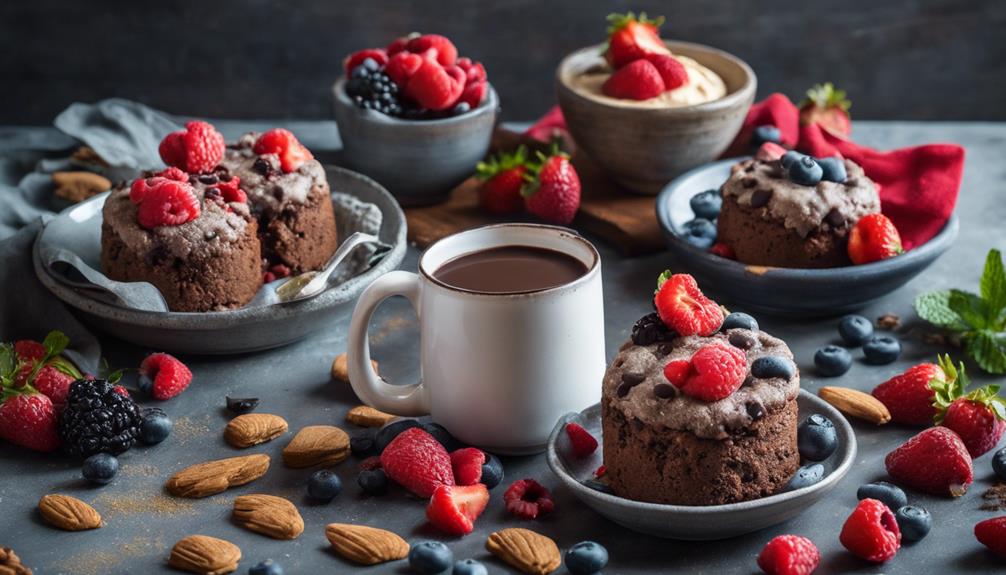
A key aspect to consider when making a gluten-free mug cake is the nutritional profile of the gluten-free cookies you choose. These cookies not only ensure that individuals with gluten sensitivities or celiac disease can savor this dessert, but they also greatly impact the overall flavor and texture of your mug cake. It’s important to scrutinize the ingredients list to confirm that the cookies suit your recipe.
To create a delightful and nutritious mug cake, consider the following:
- Nutritional Values: Different gluten-free cookies contain varying amounts of sugars, fats, and calories. Choosing cookies with a balanced nutritional profile can make your dessert healthier.
- Ingredients: Pay attention to any additional ingredients in the cookies, such as nuts or chocolate chips, which can enhance or alter the taste and texture of your mug cake.
- Experiment: Don’t hesitate to try different types of gluten-free cookies. Each variety can bring a unique flavor and texture, allowing you to explore the perfect combination for your dessert.
Additional Dessert Ideas
Beyond the delightful mug cake, gluten-free cookies allow you to easily whip up a variety of creative dessert ideas.
You can crumble them for a pie crust, offering a flavorful and textured foundation for your favorite fillings. These cookies also make excellent additions to parfaits, adding layers of crunch and taste that elevate the dessert.
When making ice cream sandwiches, consider using gluten-free cookies to guarantee compatibility with dietary restrictions and provide a sweet treat everyone can enjoy.
Experimentation is key to discovering unique variations. Try using chocolate chip gluten-free cookies in a trifle, where their flavor enhances the creamy layers. Or mix oatmeal gluten-free cookies with melted chocolate and nuts for a no-bake dessert bar.
Always check the ingredients of your cookies to verify they align with any dietary preferences and complement other ingredients used.
Don’t hesitate to think outside the box. You can blend gluten-free cookies into milkshakes, creating a delectable drink with a satisfying texture.
With endless possibilities, gluten-free cookies can transform ordinary desserts into extraordinary creations, inviting you to explore and enjoy a world of sweet innovation.
Share Your Mug Cake Experience
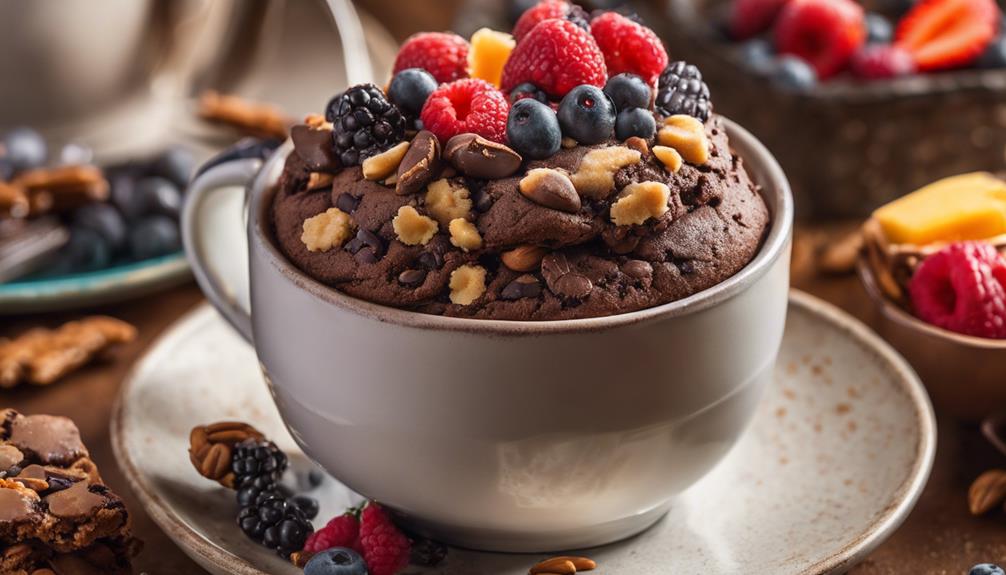
Whether you’re a seasoned baker or just starting, sharing your mug cake experience with gluten-free cookies can inspire others and broaden your culinary horizons. Using gluten-free cookies as a crumbled base for your mug cake provides a delicious twist and caters to those with dietary restrictions. Imagine the joy on someone’s face when they discover they can still enjoy a delightful, gluten-free dessert!
To create a vivid image of your experience, consider these three steps:
- Choose Your Cookies: Select your favorite gluten-free cookies. Whether chocolate chip, peanut butter, or oatmeal, each will bring a unique flavor to your mug cake.
- Create the Base: Crush these cookies into a fine crumble, mixing them with milk or another liquid to form a smooth batter that fits perfectly in a mug.
- Bake and Enjoy: Pop your mug in the microwave, and in minutes, you’ll have a warm, satisfying treat ready to enjoy.
Don’t forget to share your journey! Share your favorite combinations and any tips you discover along the way. Your creative mug cake experience could become someone else’s favorite gluten-free dessert!
Conclusion
Using gluten-free cookies in your mug cake opens up a world of delicious possibilities. By experimenting with different cookie types, you can create unique flavors and textures that cater to your taste. Remember to balance the core ingredients like flour, sugar, and egg with the cookie crumbs for the best results. With a few tweaks and some creativity, you’ll enjoy a delightful, gluten-free, quick, and satisfying treat. So, grab your favorite gluten-free cookies and start baking!
FAQs
1. What Is the Difference Between Gluten-Free Cookies and Regular Cookies?
You’ll notice texture differences due to ingredient substitutions when comparing gluten-free and regular cookies. Baking techniques might vary, affecting flavor profiles. Consider allergen concerns, nutritional content, cooking times, and recipe modifications. Brand comparisons and taste tests reveal distinct characteristics.
2. Can I Use Gluten-Free Flour Instead of All Purpose for Cookies?
Considering ingredient substitutions and allergen concerns, you can substitute gluten-free flour for all-purpose cookies. Expect texture differences and possible recipe adjustments. Compare taste, and adjust baking time and temperature. Use proper mixing techniques for better nutritional value.
3. Can Gluten-Free People Have Cookies?
You have cookie cravings but face a baking dilemma due to gluten sensitivity. Don’t worry; gluten-free individuals can enjoy sweet treats. Explore gluten-free baking, try gluten-free alternatives, and start baking experiments for delightful dessert options.
4. Why Are My Gluten-Free Cookies Cakey?
Your gluten-free cookies might be cakey due to flour types or moisture content. Try baking tips like ingredient substitutions and mixing methods. Adjust the recipe for texture differences, baking time, and flavor variations. Consider storage methods for freshness.