
We cooked Rice, oh Rice! It’s a staple in our diet worldwide, yet we often struggle to get it right. Is it overcooked and mushy? Or maybe undercooked and crunchy? Today, we’ll solve your rice woes with our step-by-step guide on how to cook Rice perfectly every single time. Whether you cook Rice in a pot, pressure cooker, or rice cooker, you’ll soon be a master of extracting fluffy perfection. Let’s get cooking!
Table of Contents
Quick Definition

To cook Rice, begin by rinsing your Rice and bringing it to a boil with three times the amount of water. Next, reduce the heat and simmer for 20 minutes with the lid covering the pot.
Tips for Cooking Perfect Long-Grain Rice

Cooking long-grain Rice perfectly is tricky. People often overestimate how much water to use, which can result in a mushy texture, or underestimate it and have crunchier results. Fortunately, knowing the right steps and having the correct balance of water and Rice can help you achieve that perfect fluffy consistency every time.
There is intense debate regarding the best amount of water to use when preparing long-grain Rice—some advocate for using more water, while others prefer less. While each method has its merits, more water will give you a softer texture, while less will give you a drier texture. In any case, most chefs emphasize not exceeding the proper liquid ratio to grains.
Similarly, finding the right ratio of long-grain Rice to water can take some experimentation. As a general rule of thumb, it’s recommended to add two cups of water for every cup of uncooked Rice; this ratio may need to be adjusted depending on your preferences. Additionally, some recipes may require more liquid for added flavor or even a different type of grain, such as brown or jasmine Rice.
Understanding these techniques and adjusting your ratios accordingly will help ensure perfect results every time you cook long-grain Rice. With this knowledge in mind, let’s explore the appropriate amounts for the next essential factor: the water-to-rice ratio.
- A study by the National Institutes of Health found that rice cooked in steam had significantly higher levels of vitamins B1 and B2 than rice cooked conventionally.
- According to experts, the absorption of calcium and other minerals from rice increases as the cooking time and temperature increase.
- Research suggests that washing Rice before cooking allows for more uniform cooking and improves texture, flavor, and nutrition.
Key Takeaway
Preparing perfect long-grain Rice requires balancing water and Rice. Different ratios of these two must be experimented with to achieve ideal results. A general ratio to use is two cups of water for every cup of uncooked Rice, but some recipes may require more liquid and different types of grain. Understanding these techniques and adjusting the ratios accordingly will help ensure perfect long-grain Rice every time.

Amount of Water and Rice Ratio
The amount of water and the ratio of Rice to that water can be a source of debate, and mastering this step is key to achieving perfectly cooked Rice. Long-grain Rice generally uses a 2:1 ratio, meaning two cups of water for one cup of long-grain Rice. However, some recipes call for slightly less or more water depending on the type; jasmine rice may require 1¾ cups of water per cup of uncooked long-grain Rice. In addition, some people claim that adding salt to the cooking water adds flavor, while others insist it makes the grains tough. A pinch of salt in the cooking water may enhance flavor, but too much can make the grains less moist.
Ultimately, learning the proper ratio based on types of grain and personal preference is important for creating perfect Rice each time. Finer tweaking involves adjusting ratios or duration according to stovetop or electric cookers. That being said, now that you’ve perfected your technique for properly measuring ingredients by understanding their proportions and how much liquid should be added for different grains, this knowledge will help you as we compare methods for cooking on a stovetop versus using an electric cooker.
Stovetop vs. Electric Stove

Now that we have discussed the amount of water and the ratio of Rice to liquid let’s discuss methods for cooking your Rice. Stovetops and electric stoves are two popular options for making perfect rice. However, each method has its nuances and benefits.
Stovetop cooking has the hallmarks of traditional Rice making with the added advantage of giving you more control over the heat setting. When cooking on a stovetop, the flame can be adjusted up or down for a more robust boil or a slow simmer, ensuring your Rice is perfectly cooked.
Alternatively, an electric stove offers the convenience of easily setting exact temperatures and saving preferred settings for future use. In addition, the even heat spread allows grains to fluff nicely while cooking since they are not coming into direct contact with a hot surface as they would on a stovetop.
Both methods offer advantages and disadvantages that should be considered when deciding which route to take when cooking your perfect bowl of Rice. Ultimately, this decision depends on what works best, given your setup and preference. However, with careful attention paid to both methods, you can enjoy perfectly cooked Rice in no time.
No matter which method you choose, there are some essential tips for getting just the right texture and flavor out of short-grain varieties such as sushi or Arborio Rice. Let’s look at these techniques now so you can start creating delicious meals with fluffy results.
Tips for Cooking Short Grain Rice
When it comes to cooking short-grain rice, which has a faster, plumper grain than other types of Rice, there are two schools of thought: stovetop vs. electric stove. For those who cook on the stovetop, the key to perfectly cooked short-grain Rice is to pay attention and constantly stir to ensure even heating. However, some cooks find that setting it on low heat and baking the Rice in a tightly covered pan allows for the best results on an electric stove. Nevertheless, both methods can produce delicious and fluffy short-grain rice if attention is paid to the Rice during cooking.
When cooking on an electric stove, it is important to avoid boiling the water too quickly, or the Rice will become overcooked and sticky. Boiling water is also vital in preventing uncooked parts of grains from settling on the bottom of the pan. Finally, opting for a heavy-bottomed pot when cooking on an electric stove is recommended for consistent heating and even temperature distribution.
No matter which method you choose when cooking short grain rice—stovetop or electric stove—remember that equal amounts of water and constant monitoring while stirring or keeping an eye on the temperature settings will yield perfect results every time. Now that we know what kind of cookware and techniques work best for each surface type, let’s move on to the next step: heating water to its correct boiling temperature.
Heating Water to the Correct Boiling Temperature
Once the correct water-to-rice ratio has been decided on, it’s time to heat the water. Heating water until it reaches the proper boiling temperature is the key to uniformly cooked Rice. This temperature should be at a rolling boil for short-grain rice, otherwise known as 212°F (100°C).
A thermometer is an easy way to ensure the water reaches the correct boiling temperature. Just dip the thermometer into the boiling water and wait for it to reach 212°F. This simple step can make all the difference in getting perfectly cooked Rice.
Alternatively, if you don’t have access to a thermometer, you can start with cold water in a pan or pot on high heat and wait for it to come to a rolling boil. Keep an eye on the water while heating, as overcooking or leaving it on a flame for too long can harm its flavor and texture. If any bubbles seem large enough on top of the boiling water, you’ve reached your desired temperature and can add the Rice.
Now that you know how to heat your water correctly, the next step is to learn alternative methods for cooking rice. These methods are incredibly useful for those who are short on time, anyone looking for shortcuts, or anyone keen on experimenting with new recipes.
Alternative Methods for Cooking Rice

When it comes to cooking Rice, boiling is not the only game in town. There is evidence that supports a variety of alternatives that can be just as successful in creating perfectly cooked grains every time. Depending on the desired texture and flavor profile, there are several methods to explore when it comes to cooking Rice.
Steaming is one popular method that marries well with many cuisines that use light and delicate herbs and seasonings. This method also preserves more nutritional content than boiling, considering less water comes into contact with the grains. In addition, the resulting texture tends to be a bit softer than boiled Rice and makes an excellent side dish when served alongside fish or poultry dishes.
Another popular technique is roasting. Roasting Rice requires oil, so heavier flavors like garlic and spices work well when using this method. Add raw grains to a pan with hot oil to burn, stirring constantly until lightly browned and aromatic. It’s important to keep an eye on the pan while roasting, as allowing the grains to burn will create unpleasant burnt bits throughout the finished dish.
Finally, pressure cooking has become increasingly popular in recent years due to its convenience and ease of use. Pressure cookers allow unattended cooking over a longer period, resulting in plump grains with a pleasant softness throughout. In addition, ingredients can be added right before sealing the lid shut for added flavor, adding dimension far beyond what traditional boiling offers.
Ultimately, there is no “correct” way to cook Rice – each method offers unique advantages depending on the finished product’s desired flavor profile and texture. Therefore, experimenting with different techniques can open up a whole new world of textures and flavors – leading to delicious dishes that even experienced cooks can appreciate!
Five distinct chicken and rice recipes from various cuisines worldwide.
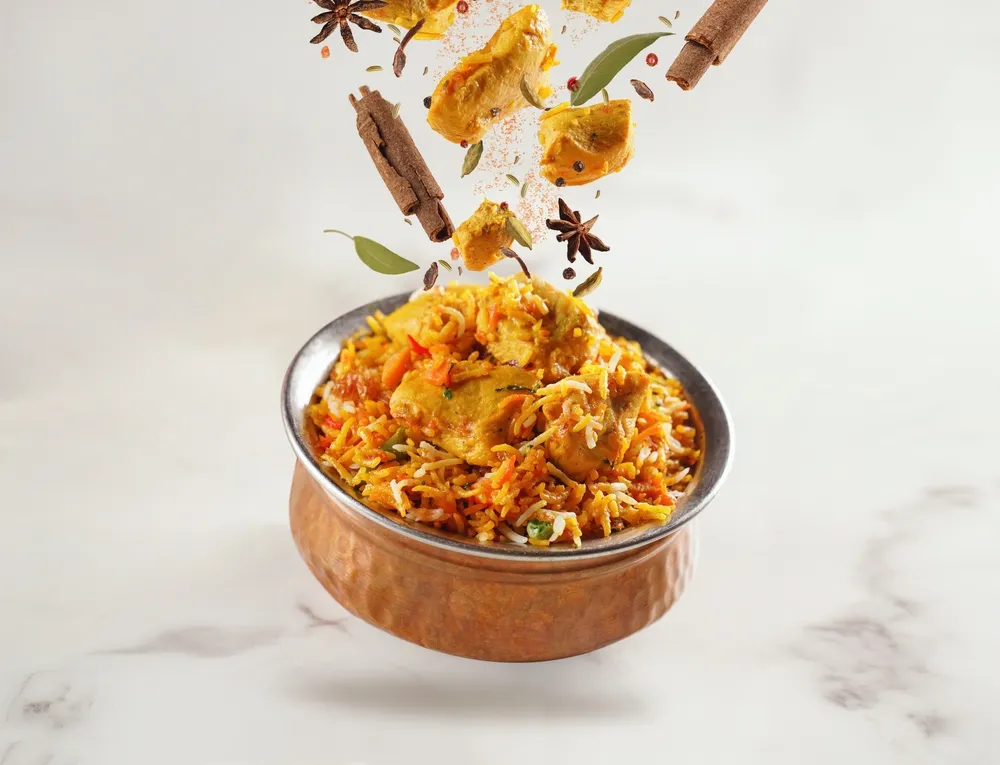
1. Chicken Biryani (Indian Cuisine)
Ingredients:
– 500g Basmati rice
– 500g chicken, cut into pieces
– 2 onions, finely chopped
– 2 tomatoes, chopped
– 2 green chilies, chopped
– 2 tablespoons ginger-garlic paste
– 2 tablespoons Biryani masala
– 1 cup plain yogurt
– A handful of chopped cilantro and mint leaves
– Salt to taste
– 4 tablespoons vegetable oil
– 4 cups water
Procedure:
- Rinse the Basmati rice until the water runs clear. Soak it in water for 30 minutes, then drain.
- Heat the oil in a large pot. Add the onions and sauté until they’re browned.
- Add the ginger-garlic paste and green chilies, cooking until the raw smell disappears.
- Stir in the tomatoes, chicken, Biryani masala, and salt. Sauté until the chicken is cooked.
- Mix in the yogurt and half of the cilantro and mint leaves.
- Pour in the water and bring to a boil. Stir in the Rice, cover the pot, and cook on low heat until the Rice is done.
- Garnish with the remaining cilantro and mint leaves before serving.
2. Arroz con Pollo (Latin American Cuisine)
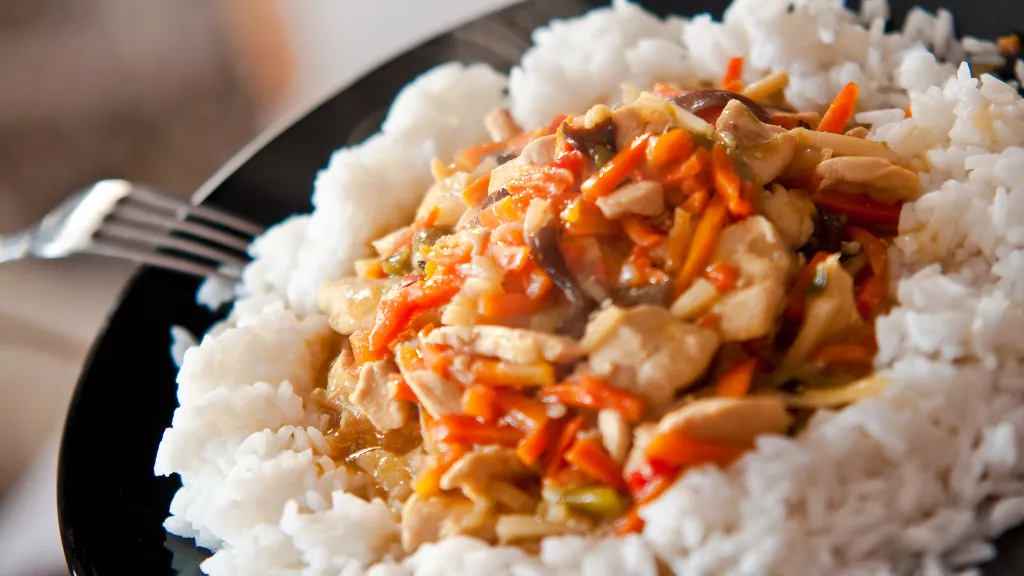
Ingredients:
– 500g chicken pieces
– 1 cup white Rice
– 1 onion, diced
– 1 red bell pepper, diced
– 4 cloves garlic, minced
– 2 cups chicken broth
– 1 teaspoon turmeric
– 1 teaspoon cumin
– Salt and pepper to taste
– 2 tablespoons olive oil
Procedure:
- Heat the olive oil in a large skillet. Season the chicken with salt, pepper, and cumin, then brown on all sides. Remove and set aside.
- In the same skillet, add the onion, bell pepper, and garlic, cooking until softened.
- Stir in the Rice and turmeric, coating the Rice with the oil and spices.
- Return the chicken to the skillet, then pour the broth.
- Cover and simmer for 20-25 minutes until the Rice is cooked and the chicken is tender.
3. Chicken Fried Rice (Chinese Cuisine)
Ingredients:
– 2 cups cooked, cold Rice
– 500g chicken breast, cut into small pieces
– 1 cup mixed vegetables (peas, carrots, corn)
– 2 green onions, chopped
– 2 cloves garlic, minced
– 2 eggs
– 3 tablespoons soy sauce
– 1 tablespoon sesame oil
Procedure:
- Heat the sesame oil in a large wok or skillet.
- Stir-fry the chicken until fully cooked, then remove and set aside.
- In the same wok, scramble the eggs. Once cooked, set aside with the chicken.
- Sauté the garlic until fragrant, then add the mixed vegetables and cook until tender.
- Add the Rice, soy sauce, green onions, chicken, and eggs back into the wok, stirring to combine.
4. Jollof Rice with Chicken (West African Cuisine)
Ingredients:
- 500g chicken pieces
- 2 cups long-grain parboiled Rice
- One can of chopped tomatoes
- One onion, chopped
- One red bell pepper, chopped
- Two cloves garlic, minced
- 1 Scotch bonnet pepper, optional
- One teaspoon thyme
- One teaspoon of curry powder
- Salt and pepper to taste
- Vegetable oil
Procedure:
- Season the chicken with salt, pepper, thyme, and curry powder, then brown in a large pot with vegetable oil.
- Remove the chicken and set aside. In the same pot, sauté the onion, bell pepper, garlic, and Scotch bonnet (if using).
- Add the chopped tomatoes and some more thyme and curry powder, simmering for a few minutes.
- Stir in the Rice, ensuring it’s fully coated with the sauce.
- Return the chicken to the pot, then add enough water to cover the Rice.
- Cover the pot and simmer for 30-40 minutes, until the Rice is cooked and the chicken is tender.
5. Chicken Pilaf (Middle Eastern Cuisine)

Ingredients:
- 500g chicken, cut into pieces
- 2 cups Basmati rice
- One onion, finely chopped
- Three cloves garlic, minced
- 4 cups chicken broth
- One teaspoon turmeric
- Salt and pepper to taste
- Olive oil
Procedure:
- Rinse the Basmati rice until the water runs clear. Soak it in water for 30 minutes, then drain.
- Heat the olive oil in a large pot. Brown the chicken pieces on all sides, then remove and set aside.
- In the same pot, sauté the onion and garlic until softened.
- Stir in the turmeric, salt, and pepper, then add the Rice, stirring to coat with the spices.
- Return the chicken to the pot, then pour in the chicken broth.
- Cover and simmer for 20-25 minutes, until the Rice is cooked and the chicken is tender.
Enjoy your cooking!
FAQs
1. How much water should I use when cooking Rice?
When cooking rice, it is important to use the proper amount of water to cook it perfectly each time. Generally speaking, the ratio of Rice to water should be between 1:1 and 1:2. For every cup of Rice you prepare, use one to two cups. If you are looking for softer, stickier Rice, try using a slightly higher ratio of water to Rice (closer to 1:2).
2. What tips can I use to ensure the Rice is perfectly cooked every time?
The key to perfectly cooked Rice every time is in the preparation and ingredients. Here are a few tiRiceo ensure perfect results:
- Start with the right type of Rice: Choose long-grain white RRice which cooks up fluffy and light. Short-grain Rice can also work but tends to be more sticky.
- Rinse the Rice in cold water: This removes some surface starch, resulting in grains that don’t stick Ricether as much while cooking.
- Use the right amount of liquid: Rice should simmer enough to cover it by abouRice inch or two and absorb it by the end of cooking. Generally sRiceing, this means one cup of Rice per two cups of water (and other liquids), depending on how soft you like your Rice.
- Heat the pot before adding the liquid: PRiceat it for a few minutes before adding it, and reduce heat once it starts boiling. This prevents scorching and burning at the bottom of the pot.
- Use only a lid when simmering: A tight-fitting lid traps steam and helps cook your Rice evenly from top to bottom without drying out its surface too much; leaving a gap may evaporate too much moisture and prevent your grains from fully absorbing it all during Riceing.
- Maintain low heat when simmering: Low, even heat provides time for the gRices to absorb moisture without overcooking them. Simmer gently, and don’t let it boil rapidly or aggressively (higher temperatures will cause uneven cooking).
- Let it rest after cooking. Like with other dishes, resting allows for even more moisture absorption and reduces stRiceness upon serving or storing for later use. Remember to fluff up your cooked grains before doing so to help separate individual ones!